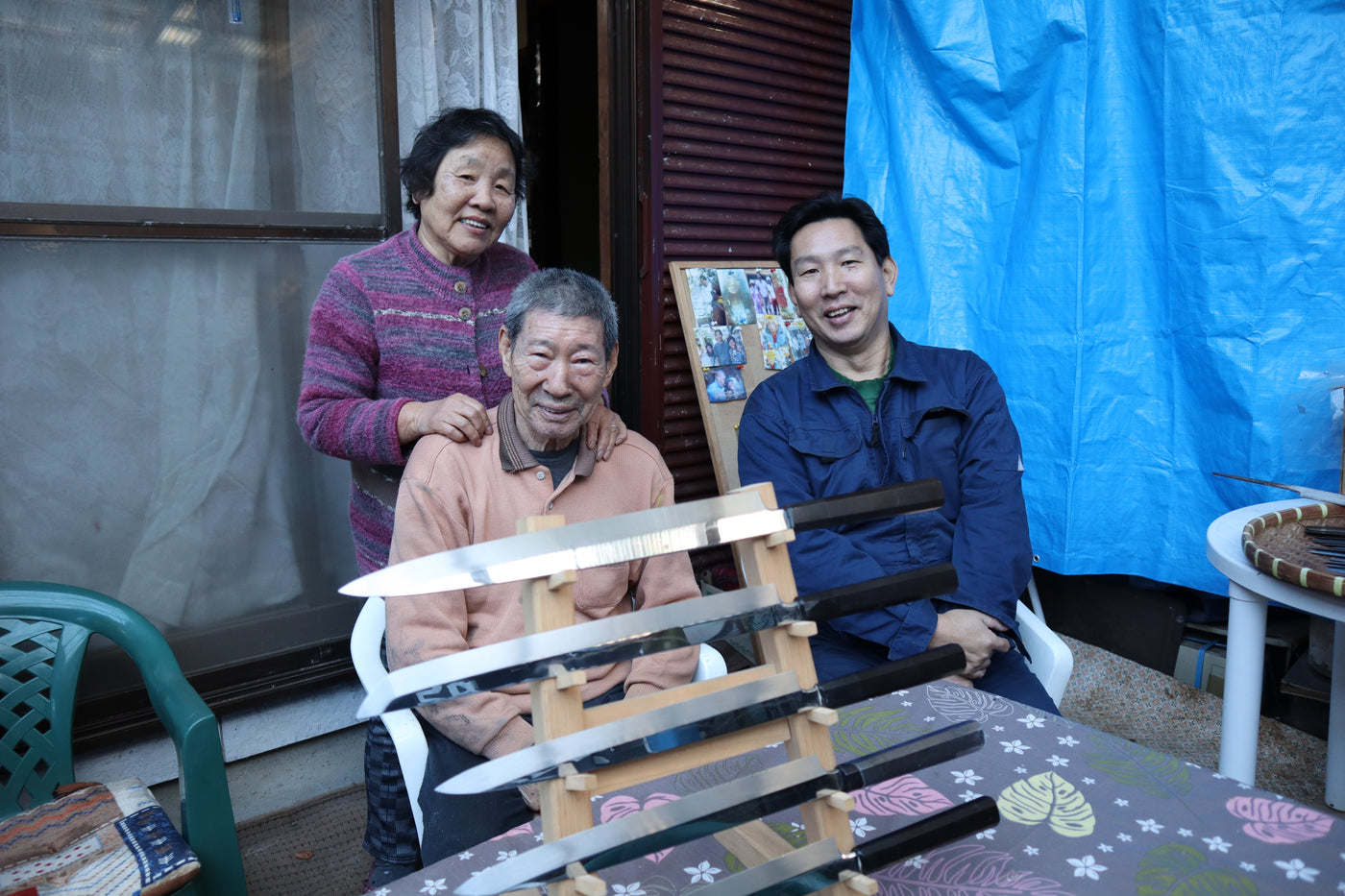
Genkai Masakuni(玄海正国), one of the highly regarded name in the entire Japanese kitchen knife industry. Being one of the few makers that could produce the Mt. Fuji Hamon Honyaki, a Yanagiba utilising such a technique can be sold for a few thousand dollars easily. Behind the name Genkai Masakuni is an over-80-years-old master, Mukou Yoneo(向 米雄), who honed his skill in Sakai until he moved back to Kabe island, Karatsu city in Saga Prefecture at age of 40.
The origin of the name might be related to the location, as Genkai-Cho is located right next to Karatsu city. Although Genkai Masakuni is the best known and most often used name/engraving by Mukou san, he has few other names on the blades he forged. One of them is Sakai Minamoto Hakuhou(堺源伯鳳)which is a brand name used by the sharpener Hakui Minoru(伯井 實). Following the traditional division of labour employed in Sakai, these two masters worked closely as the blacksmith and sharpener of each other even after Mukou san moved back to Saga, this collaboration continued for a long time until the retirement of Hakui san.
For those who are aware of the creation process of the Honyaki knife, the level of skill behind the name Genkai Masakuni should need no further explanation. But for people who are curious about the nature of these very pricy knives, it would be helpful to reiterate. The Honyaki process is a heat treatment process of mono steel blades, where the blade is cladded by clay in the spine to form an insulating layer and quenched to have a hardened edge and softer spine, just like how swords were done in the past. The “Hon” can be generally translated as “the real deal”, and “Yaki” is used for heat treatment related terminologies. Together Honyaki can be seen as the real deal heat treatment, which says how highly regarded this method is.
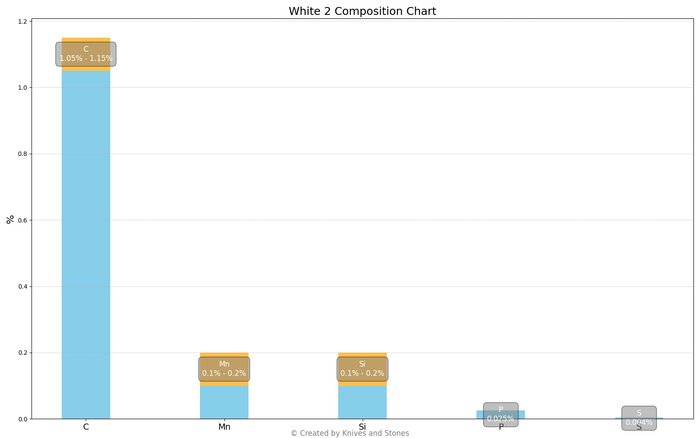
For the intended use of a kitchen knife, it does not require a soft springy spine to prevent breakage in the fight, thus this method is mostly used to achieve a tempering line called Hamon. To create Hamon, a shallow quenching steel must be used with a fast quenching method to form a clear boundary. Often a combination of Hitachi White carbon steel and water quenching(Mizu-Honyaki) is used to achieve a Hamon, but the risk that comes with water quenching is the intense stress build-up in the blade due to different shrinking rate between the area that are covered by the clay and area left exposed. A failed Mizu-honyaki will have a dramatic, explosive failure that breaks the blade in pieces, and this is not uncommon to happen as the quenching temperature is very strict for this to not happen.
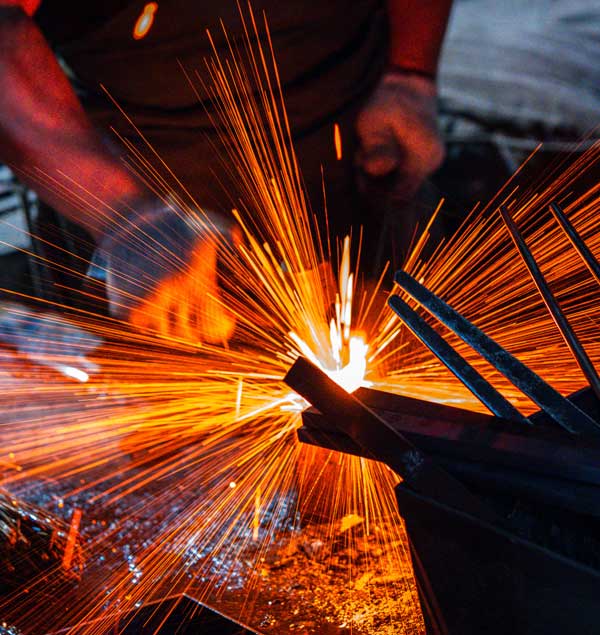
Blacksmiths that are trained in this trade for years rely on their eyes to tell the temperature of the blade by the color of the blade, and the heating is done usually in charcoal forge. If that doesn’t sound difficult enough, there is another technique to top it up: Fujiyama Hamon. As the name suggests, the Hamon is shaped like Mt. Fuji on the blade, and having this shape creates a significant point of failure due to the concentrated stress at the Mt. Fuji’s peak where the shape protrudes out the most. For this reason, there are only a few blacksmiths that are skillful enough to produce this Hamon with consistency, and you can count them by one hand.
Genkai Masakuni being one of these master can produce regular wavy hamon as well as the Mt, Fuji Hamon, paired with a mirror finish, the dynamic shape of the Hamon can look like flowing terrain or snow covered mountains, and needless to say, this level of control over a medium that is very difficult to work with has an immense artistic value. With the retirement of Master Ikeda and Master Shiraki, Mukou san too had his retirement in 2020, his blades would continue to be sharpened and polished in the following years but eventually become depleted. But, the name Genkai Masakuni would be remembered and cherished by collectors and knife enthusiasts alike.