PM / Powder Steel
粉末冶金鋼材
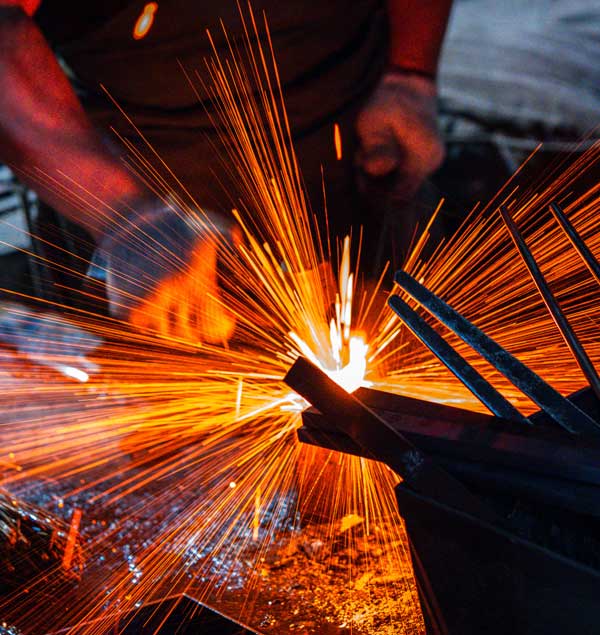
A modern steel-making process where the alloy is atomised into a fine powder and then compressed under high pressure before sintering. This creates an exceptionally uniform carbide distribution — far finer and more even than conventionally cast steel. The result is a blade that achieves higher hardness without sacrificing toughness, holds a keener edge for longer, and is more resistant to chipping. PM steels are generally considered a step up in performance, though they can be harder to sharpen on coarse stones. ナチ・不二越、日本
A modern steel-making process where the alloy is atomised into a fine powder and then compressed under high pressure before sintering. This creates an exceptionally uniform carbide distribution — far finer and more even than conventionally cast steel. The result is a blade that achieves higher hardness without sacrificing toughness, holds a keener edge for longer, and is more resistant to chipping. PM steels are generally considered a step up in performance, though they can be harder to sharpen on coarse stones. ナチ・不二越、日本
SRS-13 SRS-13
Hardness
Rockwell C Hardness(HRC) は、鋼材の永久変形に対する耐性を示す指標です。包丁においては:
55–58 HRC — Soft. Easy to sharpen and forgiving of rough use, but dulls faster. Typical of most German knives.
59–61 HRC — Balanced. Good edge retention with manageable sharpening. Common in mid-range Japanese knives.
62–64 HRC — Hard. Excellent edge retention, holds a very fine edge. Requires more care and a fine stone to sharpen.
65+ HRC — Very hard. Exceptional edge longevity but more brittle — more prone to chipping if used roughly.
Higher is not always better — it depends on how you use and maintain your knife.
55–58 HRC — Soft. Easy to sharpen and forgiving of rough use, but dulls faster. Typical of most German knives.
59–61 HRC — Balanced. Good edge retention with manageable sharpening. Common in mid-range Japanese knives.
62–64 HRC — Hard. Excellent edge retention, holds a very fine edge. Requires more care and a fine stone to sharpen.
65+ HRC — Very hard. Exceptional edge longevity but more brittle — more prone to chipping if used roughly.
Higher is not always better — it depends on how you use and maintain your knife.
63–64
HRC
555759616365+
SRS-13鋼は、硬度・靭性・耐食性に優れたバランスを持つ高級粉末冶金ステンレス鋼です。高炭素鋼とステンレス鋼の長所を兼ね備え、包丁用鋼材として汎用性が高いのが特徴です。錆に強いクロムに加え、炭素・モリブデン・バナジウムを含有し、切れ味の持続性と耐摩耗性を向上させています。高硬度まで焼き入れが可能で、鋭く長持ちする刃先を実現します。粉末冶金法による均一な組織により、微細な刃付けが可能で、長時間の使用でも切れ味を維持できます。性能・手入れのしやすさ・耐久性を兼ね備えたSRS-13鋼は、プロの料理人や調理愛好家に支持される高級包丁向けの鋼材です。
Composition
SRS-13 Element Composition
Compare with
SRS-13
—
13.0%
9.8%
6.5%
3.3%
0
C
1.3%
Cr
13.0%
V
1.5%
Mo
2.75%
W
1.25%
Mn
0.3%
Si
0.3%
C — Carbon
Cr — Chromium
V — Vanadium
Mo — Molybdenum
W — Tungsten
Mn — Manganese
Si — Silicon
Hardness
63–64 HRC
555759616365+
包丁一覧 SRS-13
View all
Sold Out
佑成
佑成 SRS-13 ダマスカス 柳刃 330mm 鏡面仕上げ 鞘付き

Sold Out
佑成
佑成 SRS-13 ダマスカス 切付柳刃 300mm 鏡面仕上げ 鞘付き

Sold Out
佑成
佑成 SRS-13 ダマスカス 柳刃 270mm 鏡面仕上げ 鞘付き

Sold Out
佑成
佑成 SRS-13 ダマスカス 柳刃 300mm 鏡面仕上げ 鞘付き

Sold Out
佐治打刃物
佐治打刃物 SRS13 牛刀 210mm

Sold Out
佐治打刃物
佐治打刃物 SRS13 牛刀 210mm

Sold Out
佐治打刃物
佐治打刃物 SRS13 牛刀 240mm 鞘付き

Sold Out
佐治打刃物
佐治打刃物 SRS13 牛刀 240mm 鞘付き

Sold Out
佐治打刃物
佐治打刃物 SRS13 菜切 165mm

Sold Out
佐治打刃物