Prahran, VIC store now open from Friday to Tuesday, 10am till 6pm.

Shibata  |  SKU: MASA_KSAS_BU175_HIRW

昌景 小石 青紙スーパー 黒打ち 槌目 文化 175mm

定価 $489.95

Availability

  • St Peters, NSW
    2 Bishop St, Unit 2, St Peters NSW 2044
  • Crows Nest, NSW
    107 West St, Shop 1, Crows Nest NSW 2065
    Pickup only
  • Prahran, VIC
    180 Commercial Road, Shop 1, Prahran VIC 3181
    Pickup only
詳細仕様
ライン 昌景 小石 AS 黒打ち 槌目
刃の形状 Bunka
刃の種類 Double Bevel
重量 156 g | 5.5 oz
刃渡り 175 mm | 6 57/64″
あごの高さ 48 mm | 1 57/64″
あご部分の刃幅 3.4 mm | 9/64″
中央の刃幅 1.7 mm | 1/16″
切っ先から1cmの刃幅 0.9 mm | 1/32″
鋼材 青紙スーパー | 炭素鋼
刃の構造 三枚合わせ・ステンレスクラッド
Hardness (HRC) 62 - 65
表面仕上げ 黒打ち槌目
産地 福山
最適な用途
  • プロシェフ
  • 愛好家
  • オーストラリア国内でAU$200以上の包丁は送料無料
  • DHLエクスプレスによる世界配送、3〜5日でお届け


「小石(Koishi)」シリーズは、誕生以来長年にわたり包丁愛好家に愛され続けてきたラインナップです。カトウ打刃物製作所の吉美氏によって鍛造・研ぎ上げられたこのシリーズは、タケフナイフビレッジおよび福井県で製造される最高峰の包丁としての名声を今なお維持しています。

小石シリーズは、美しく施された黒打ち槌目仕上げと、際立つテーパー構造が特徴です。この有機的な外観は、手鍛造ならではの風合いを誇示するだけでなく、素晴らしい握り心地を実現しています。テーパー加工された峰は刃体に剛性をもたらし、硬い食材を切る際でも撓みを最小限に抑え、ユーザーに確かな安心感を与えます。また、余剰な素材が重心を手元に寄せることで、包丁全体を前重りにすることなく適度な重量感を付加しています。鍛造や熱処理によって残された微細な表面テクスチャーと磨き上げられた峰の組み合わせが確実なグリップを生み出し、全体に施された丸みのある面取りが手のひらへの食い込みを防ぎます。

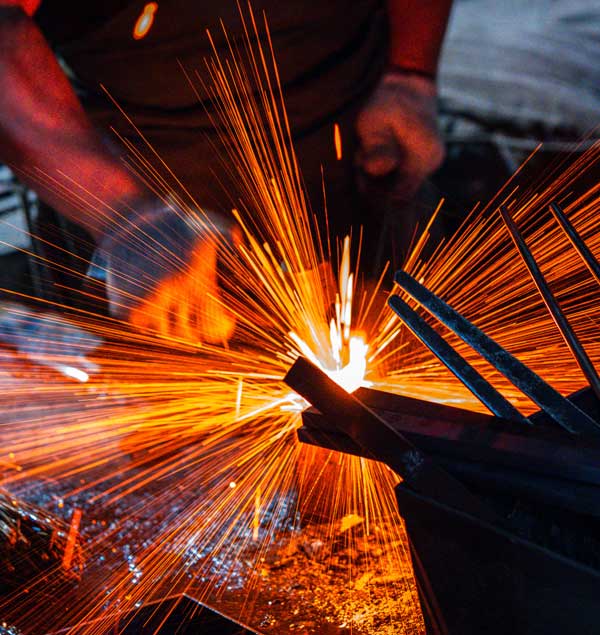
小石シリーズの素材には、ステンレスクラッドの青紙スーパー鋼が採用されており、これが成功の所以となっています。炭素鋼である青紙スーパーは驚異的な切れ味を発揮し、添加された合金元素により一般的な炭素鋼と比較して耐摩耗性にも優れています。ステンレスジャケットで覆うことで、切れ味を犠牲にすることなく手入れの手間を軽減しています。加藤氏による極薄の刃付け、高性能なエッジ、そして丁寧な研磨が相まって、あらゆる食材に対してスムーズな切れ味を実現しています。

小石は昌景を代表するシグネチャーラインとして、長年にわたりその地位を確立しています。優れた操作性と切れ味を兼ね備えた炭素鋼の包丁をお探しの方にとって、小石は最有力候補の一つとなるでしょう。その美しい仕上げと磨き上げられたディテールは、経験豊富なシェフや包丁愛好家の心を掴んで離しません。

長所 短所
  • 優れたパフォーマンス
  • 刃元の薄い作り
  • 優れたフィット&フィニッシュ
  • 錆びやすい
  • やや欠けやすい
お手入れ方法
  1. 硬いものは切らないでください!日本の包丁は硬くてもろいため、骨を切るのは厳禁です。
  2. 使用後は中性洗剤で洗い、水気を拭き取ってください。
  3. 食器洗い機での洗浄はおやめください。木の柄を傷める原因となります。
  4. 包丁を熱源のそばに長時間放置しないよう、ご注意ください。
  5. 刃の鈍った包丁で切るほうが、よく切れる包丁で切るよりもはるかに危険です!
  6. 日本の包丁は、砥石で定期的に研ぐことをお勧めします。
  7. Error: Steel nature unknown

昌景

昌景 — タケフの精鋭、柴田氏が監修

Masakage is the first original brand created by Takayuki Shibata, aimed to create knives that are all rounders with high performance, fit and finish, beauty and authentic beauty originated from the craftsmanship of masterful bladesmiths. 

The name of the Masakage Brand originated from a Warring States Samurai General Masakage Yamagata, and this name carries the hope of Shibata san of creating a versatile brand that excels in all aspects, just like how Masakage Yamagata excels in battle, strategy, diplomacy, public order, and domestic affairs. 

The knives from the Masakage Brand are all collaborations between members of the TAKEFU Knife Village and Shibata san, where the forging and heat treating are done by various big names from Echizen like Yu Kurosaki, Shiro Kamo, Yoshimi Kato or Takeshi Saji. These blades are then hand sharpened at Shibata’s workshop, where they achieve exceptional sharpness and beautiful finish.

The way that Masakage knives are done are pretty much as handcrafted as you can get while being reasonably affordable, and they do display characteristics that are unique for handcrafted knives. Commonly seen on these blades are the forge-tapered spine, elegant, organic surface finish and complex bevel geometry that offer the smoothest cut. And I have to say I really like the names that Shibata san came up with, Kiri(fog), Yuki(snow), Shimo(frost), Mizu(water), Kumo(cloud)... Each lineup gets a poetic name that triggers your imagery about nature, where that image is reflected on the appearance of the knife through a carefully designed fabrication process. As far as product design goes, Masakage is top notch in my opinion.

So Masakage is indeed doing what Shibata san want the brand to do: providing knives that are truly excellent in all aspects. They got great balance and handling, excellent sharpness and edge retention, great look and on top of that, a beautiful name to complete them as integral packages.

Read more

Masakage is the first original brand conceived by Takayuki Shibata, with the goal of producing knives that are true all-rounders: instruments that deliver high performance, impeccable fit & finish, visual beauty, and that authentic feel grounded in master bladesmith craftsmanship. The brand name itself—Masakage—is drawn from the historic figure Masakage Yamagata, a distinguished samurai general of Japan’s Warring States era. In choosing that name, Shibata-san expresses his aspiration that his knives may echo the virtues of Yamagata: excellence not just in combat, but also in strategy, diplomacy, governance, and daily life.

From a practical standpoint, every Masakage knife is the result of a close collaboration between Shibata and the artisans of TAKEFU Knife Village and Echizen’s famed forging houses. The forging and heat treatment are carried out by prominent bladesmiths of the region—names such as Yu Kurosaki, Shiro Kamo, Yoshimi Kato, or Takeshi Saji often being involved. After the forging passes, Shibata’s own workshop takes over the final sharpening, honing the blades by hand to achieve exceptional sharpness and a refined edge. The result is a blade that feels incredibly alive in use, yet is polished and finished with the precision one would expect from a high-end custom piece.

One of the particularly distinctive features of Masakage knives is their forge-tapered spine. Rather than a uniform thickness, the blade spine tapers through the forging process, reducing drag and enhancing balance. Additionally, the surface finishes often carry an elegant, somewhat organic character—textured, subtly nuanced, and resonant with a handcrafted aesthetic rather than a sterile, machine-perfect look. The bevel geometry is complex and carefully optimized: edges are shaped to glide smoothly through food, minimize resistance, and maintain cutting control. These design choices together contribute to a cutting experience that many users describe as fluid, precise, and almost effortless.

In terms of lineup naming, Masakage brings a poetic sensibility. Each series carries a nature-inspired Japanese word—Kiri (fog), Yuki (snow), Shimo (frost), Mizu (water), Kumo (cloud)—that awakens imagery of seasons, weather, and elemental phenomena. The visual appearance of each series is often subtly tuned to reflect its name: surface textures, patterning, and blade silhouette may all echo the motif (e.g. a misty, soft look for Kiri, or a crisp, cold aesthetic for Shimo). This naming philosophy reinforces that the knives are not just tools, but evocations of nature, feeling, and poetic identity.

What makes Masakage particularly compelling is that it treads the line between bespoke and attainable. The knives are as handcrafted as one would reasonably hope in small-scale production, yet their pricing remains more accessible than wholly custom blades. Because each knife is effectively a collaboration between master forgers and Shibata’s finishing, they carry many of the hallmarks of custom knives—distinctive forms, refined balance, delicate geometry—while still being viable for serious home or professional users.

Beyond pure performance, Masakage also pays close attention to aesthetic harmony and ergonomics. Handles are chosen to balance the blade, often in traditional Japanese styles (wa handles) or hybrid forms. The visual integration of blade and handle is carefully considered so that the knife feels like a seamless whole. Edge retention, sharpening ease, corrosion resistance (depending on the steel model), and maintenance are all factored into design decisions. In user reviews and knife forums, Masakage knives are praised for their balance of daily usability and artisanal character: they feel more alive than industrial kitchen knives, yet without the intimidating price tag of full bespoke works.

In sum, Masakage is very much fulfilling what Shibata-san set out to do: craft knives that excel in all dimensions—sharpness, balance, finish, beauty, and identity—while preserving a connection to true Japanese metalworking traditions and the artistry of handmade blades. They evoke nature through their names and finishes; they perform in the kitchen with grace; and they stand as a bridge between custom artistry and well-executed production.

“オールスター・ブランド — 柴田氏が厳選したタケフナイフビレッジ最高峰の刀匠たちの競演。”

Est. 2008 | 平成20年
Known for 越前のトップ刀匠によるコラボレーションブランド。柴田崇行氏が研ぎを担当。
Instagram @masakage Read more about 昌景
昌景 — 福山
Profile: Bunka
Profile

Bunka

A pointier version of the Santoku. The Bunka knife features a distinctive profile with a straighter edge and a pointed tip, making it versatile for a variety of kitchen tasks. Its design is a blend of the Santoku and K-tip Gyuto knives, with a blade length typically around 165mm to 180mm. The Bunka is particularly adept at slicing, dicing, and chopping fruits, vegetables, and meats, thanks to the precision and control enabled by its length and flat edge profile. The angled tip, also known as a reverse tanto, provides additional precision for intricate tasks such as julienning. With its unique shape and functionality, the Bunka stands out as a multifunctional knife in the culinary world.
Composition

青紙スーパー Element Composition

Compare with
    青紙スーパー
    2.25% 1.7% 1.1% 0.6% 0
    C Carbon 1.45%
    Primary hardening element. Raises hardness and wear resistance — but too much increases brittleness and corrosion susceptibility. As a reference: German 1.4112 (~0.5%) sits at the low end; VG-10 (~1.0%) is a common mid-range; SG2 (1.25–1.45%) and ZDP-189 (~3.0%) represent high and extreme ends respectively.
    C
    1.45%
    Cr Chromium 0.4%
    Raises corrosion resistance; 13%+ qualifies steel as stainless. Also improves hardenability and wear resistance. In kitchen use, higher chromium levels contribute to a slight drag or sticking sensation when cutting — a trade-off for the rust resistance it provides.
    Cr
    0.4%
    V Vanadium 0.4%
    Forms extremely hard carbides for superior edge retention. Also refines grain structure, improving toughness.
    V
    0.4%
    W Tungsten 2.25%
    Forms hard carbides for wear resistance and edge retention. Gives the steel hardness even at elevated temperatures.
    W
    2.25%
    Mn Manganese 0.25%
    Aids hardenability and strength. Acts as a deoxidiser during smelting. Excess can reduce toughness.
    Mn
    0.25%
    Si Silicon 0.15%
    Strengthens the steel matrix and acts as a deoxidiser. Improves hardness and resistance to oxidation.
    Si
    0.15%
    P Phosphorus 0.025%
    Impurity from the smelting process. Even small amounts cause brittleness — steelmakers keep this as low as possible.
    P
    0.025%
    S Sulfur 0.004%
    Impurity that reduces toughness and promotes brittleness. Intentionally added only in free-machining steels.
    S
    0.004%
    C — Carbon Cr — Chromium V — Vanadium W — Tungsten Mn — Manganese Si — Silicon P — Phosphorus S — Sulfur
    Hardness 62–65 HRC
    555759616365+
    Steel
    青紙スーパー
    Category
    炭素鋼
    Manufacturer
    日立金属株式会社、日本
    Hardness
    62–65 HRC
    Steel

    青紙スーパー

    • Manufacturer
      • 日立金属株式会社、日本
    • Nature 炭素鋼
    • Hardness62–65 HRC
    青紙スーパー鋼は、別名ブルースーパースチールとも呼ばれ、その卓越した品質から日本の炭素鋼の中で高く評価されています。日立金属株式会社によって製造されるこの鋼材は、青一鋼の組成を上回り、炭素とタングステンの含有量が多く、さらにバナジウムが添加されています。青紙スーパーは、驚異的な切れ味と優れた刃持ちの良さで知られています。脆くなることなく高い硬度に達することができ、この特性が他との違いを生み、世界中のナイフ愛好家に愛されています。強化された炭素含有量により長期間切れ味が持続し、添加されたクロムが錆への耐性を高めます。少量のバナジウムが靭性を向上させ、欠けにくくしています。これらの特性により、青紙スーパーは世界で最も尊敬される高炭素鋼の一つとなり、硬度、耐久性、手入れのしやすさのバランスから「ナイフマニアの夢」とも称されています。
    Construction: 三枚合わせ・ステンレスクラッド
    Construction

    三枚合わせ・ステンレスクラッド

    三枚合わせ(Sanmai)は両刃包丁に多く見られる構造で、硬い芯鋼の両側に柔らかい地金を鍛接したものです。硬くてもろい芯鋼が熱処理後に鋭い刃先を形成し、柔らかい地金がそれを支えることで、ブレード全体の強度を高めます。

    柔らかい地金は、本焼やモノスチール構造に比べて薄くする工程を容易にします。また、地金にステンレス鋼を使用した場合、炭素鋼やセミステンレス鋼の芯材を錆や変色から守ることができます。

    Finish: 黒打ち槌目
    Finish

    黒打ち槌目

    黒打ち槌目は、素材感のある黒打ち仕上げと、個性豊かな槌目仕上げを組み合わせたものです。一般的に黒打ち仕上げとは、鍛造後に地金を研磨せず元の黒い酸化皮膜を残すもので、鍛造過程で生まれた質感もそのまま残るため、刃文のような様々な模様や凹凸が生まれます。黒打ちと槌目の組み合わせであるこの仕上げは、両者の利点も兼ね備えています。抵抗を減らし、食材の離れを良くし、錆から鋼材を守ります。総じて、黒打ち槌目は実用的でありながら美的にもユニークな仕上げです。

    1 / 4

    よくあるご質問

    炭素鋼の包丁は錆びますか?また、お手入れ方法は?

    はい。青紙や白紙などの炭素鋼は、食材の水分や酸に反応します。濡れたまま放置するとシミや錆が発生することがありますが、通常の使用に伴い青灰色の被膜(パティナ)が形成されます。この被膜は炭素鋼の包丁ならではの自然な変化であり、損傷ではありません。

    お手入れは習慣にしてしまえば簡単です。ぬるま湯で手洗いし、水に浸けたり濡れたシンクに放置したりせず、使い終わったらすぐに完全に拭き取ってください。食洗機の使用は厳禁です。柑橘類、トマト、玉ねぎなど酸性の強い食材を切る際は、作業の合間に刃を拭くようにしてください。

    長期間使用しない場合は、食用の椿油や中性のミネラルオイルをごく薄く塗ってから保管してください。軽い表面の錆であれば、錆消しゴムやバーキーパーズフレンドで簡単に落とせます。最も避けるべきは、長期間の手入れ不足による放置だけです。

    炭素鋼は、わずかな手入れの手間に見合う鋭い切れ味と研ぎやすさを提供します。もしメンテナンスの手間を省きたい場合は、ステンレス鋼やステンレスクラッドの製品もご案内できますので、お気軽にお問い合わせください。

    青紙鋼とは何ですか?なぜシェフに好まれるのですか?

    青紙鋼、特に青紙スーパー(Blue Super)は、日立金属が製造する高炭素の日本製包丁鋼です。炭素1.45%、タングステン2.25%に加えバナジウムを添加した組成により、極めて鋭い刃付けが可能で、他の多くの炭素鋼よりも長く切れ味が持続するため、シェフから高く評価されています。

    青紙の「青」とは、鋼材そのものの色ではなく、製鋼所で鋼を包む包装紙の色を指します。青紙スーパーは青二鋼の上位版として、炭素とタングステンの含有量を増やし、さらにバナジウムを加えることで組織を微細化しています。これによりHRC 62〜65まで硬化させても過度な脆さを生じず、通常の使用での欠けに耐えつつ、積極的な切削性能を発揮できるよう非常に薄く研ぎ上げることができます。一方で、すべての高炭素鋼と同様にステンレスではないため、濡れたままや酸性の食材に触れた状態で放置すると錆が発生します。使用後はすぐに拭き取り、乾燥した状態を保つ必要があります。

    青紙炭素鋼の錆を防ぐにはどうすればよいですか?

    青紙炭素鋼が錆びるのは、ステンレス鋼のような耐錆性に必要なクロムを含まないためです。錆を防ぐ唯一の方法は、刃に水分を残さないことです。使用後はすぐに拭き取り、乾燥した環境で保管してください。

    青紙スーパーは炭素含有量1.45%の高炭素鋼であり、クロム含有量はわずか0.4%のため、濡れたままにすると錆が発生します。使用後は毎回、中性洗剤とぬるま湯で洗い、清潔なタオルで完全に拭き取ってください。自然乾燥は厳禁です。保管時は湿気の少ない場所を選び、鞘やマグネットラックを使用するのが理想的です。保管前に食品用ミネラルオイルや椿油を薄く塗布すると、防錆効果がさらに高まります。

    パティナ(安定した薄い酸化皮膜)を形成させることは、鋼材を保護しつつ味わいを加える伝統的な手法です。温かいタンパク質、特に血合いを含む魚やステーキなどを切ることで、均一で美しいパティナが育ちます。愛好家の中にはパティナの育成を芸術として楽しむ方もおり、Kitchen Knife Forumsのパティナスレッド(https://www.kitchenknifeforums.com/threads/my-favorite-color-is-blue-a-patina-thread.299 )で実例やテクニックを参照できます。パティナが形成されるまでは、レモンやトマトなどの酸性食材を切らないでください。酸によって不均一な錆や激しい腐食が生じる可能性があります。

    We trust this information is correct at the time of writing, but it is not an official document and details may change without notice. If you spot an error, tell us and we'll fix it.

    You May Also Like