

Tsunehisa Ginsan Nawame Petty 135mm
Tsunehisa Ginsan Nawame Petty 135mm is backordered and will ship as soon as it is back in stock.
Availability
Delivery unavailable for this item. Available for in-store pickup only.
-
St Peters, NSW —2 Bishop St, Unit 2, St Peters NSW 2044
-
Crows Nest, NSW —107 West St, Shop 1, Crows Nest NSW 2065Pickup only
-
Prahran, VIC —180 Commercial Road, Shop 1, Prahran VIC 3181Pickup only
Detailed Specifications
| Line | Tsunehisa Nawame Ginsan Tsuchime Damascus |
| Profile | Petty / Utility, Paring |
| Bevel Type | Double Bevel |
| Weight | 72 g 2.54 oz |
| Edge Length | 139 mm .5.47 inch |
| Heel Height | 27 mm .1.06 inch |
| Width @ Spine | 1.9 mm 0.07 inch |
| Width @ Mid | 1.7 mm 0.07 inch |
| Width @ 1cm from Tip | 0.9 mm 0.04 inch |
| Steel | Ginsan / Silver #3 | Stainless |
| Blade Construction | Sanmai - Stainless Damascus Clad |
| Hardness (HRC) | 60 - 62 |
| Surface Finish | Tsuchime |
| Handle | Octagonal Ebony |
| Region | Fukuyama |
| Best for |
|
The Tsunehisa Ginsan Nawame Petty 135mm is a double-bevel utility knife best fit for users requiring a stainless steel blade for in-hand peeling, trimming, and detailed vegetable work. Finished by Takayuki Shibata in Fukuyama, this knife features a 139mm edge length and weighs 72g. The blade utilises Hitachi Ginsan Silver #3 stainless steel hardened to 60-62 HRC, offering corrosion resistance alongside a fine grain structure that supports sharpness and ease of sharpening.
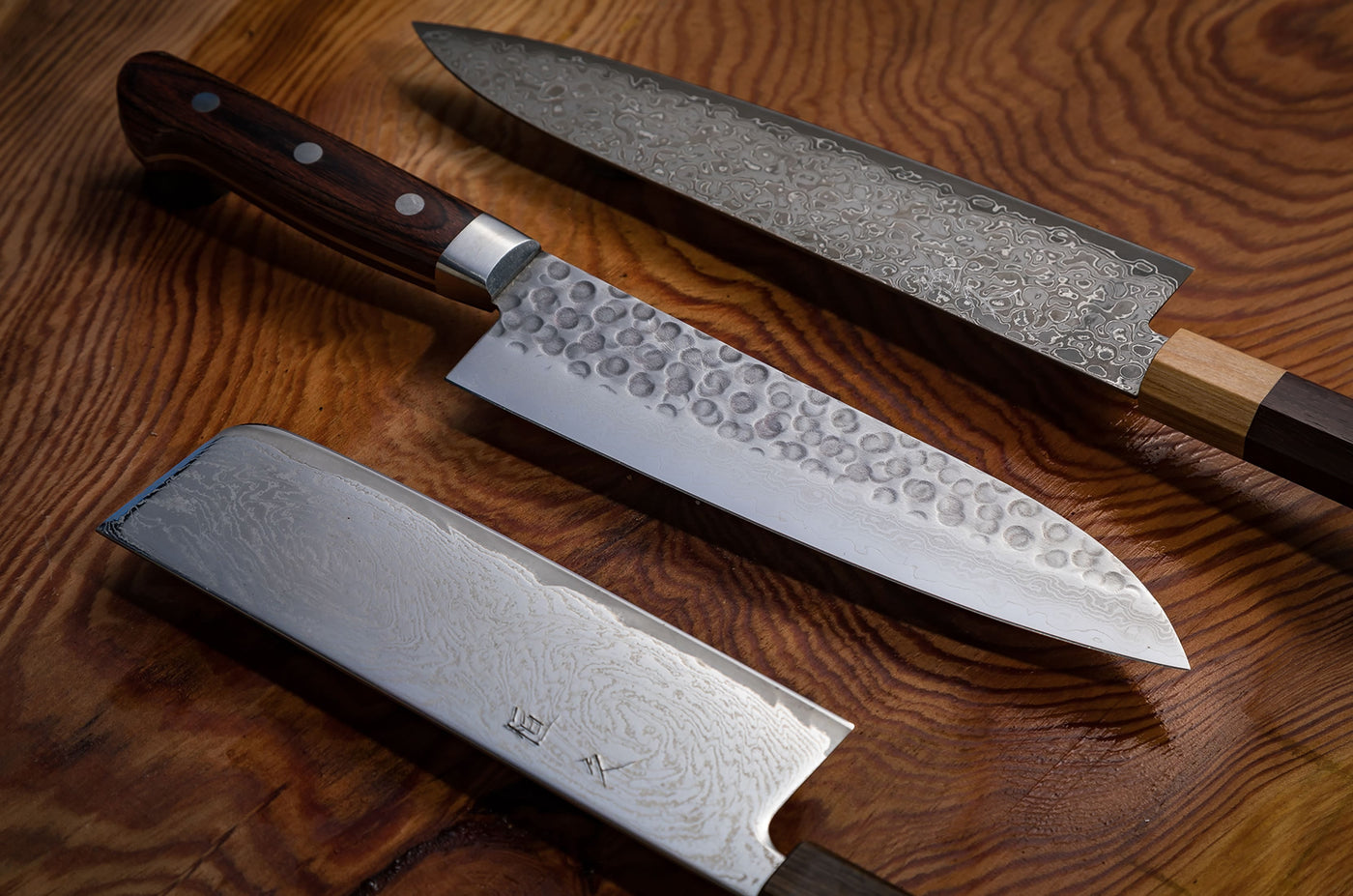
This petty knife has a san-mai stainless damascus clad construction with a tsuchime surface finish. Spine thickness measures 1.9mm at the heel, tapering to 0.9mm at the tip, while heel height stands at 27mm. An octagonal ebony handle pairs with these specifications to facilitate precision tasks such as deveining shrimp or cutting garnishes. As part of the value-focused Tsunehisa line, this knife represents regional Japanese forging traditions finished to a consistent standard, providing a functional tool for intricate kitchen preparation without reactive steel maintenance requirements.
- Don't cut hard things! Japanese knives are brittle so bone hacking is a NO NO!
- Wash with neutral detergent after use, and wipe dry;
- Please don't wash knife with dishwasher, it will damage the wood handle;
- Be careful not to leave the knife close to a heat source for a long time;
- It is a lot more dangerous to cut with a blunt knife than a sharp knife!
- It is best to sharpen a Japanese knife regularly on a waterstone.
-
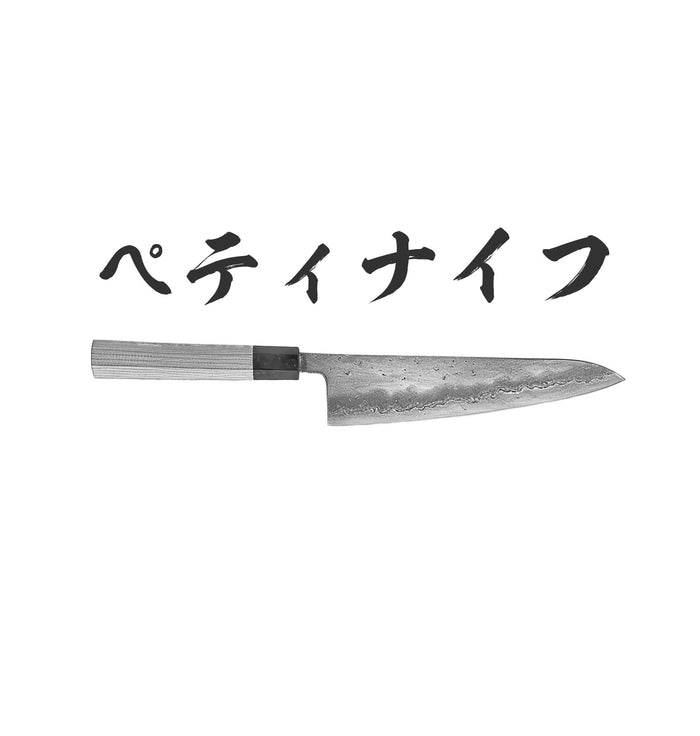
Profile: Petty
Utility, Paring
Slide for more >>
-
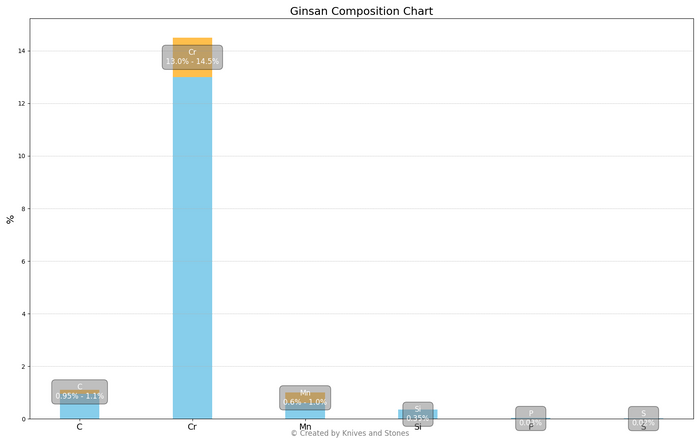
Steel: Ginsan / Silver #3
Manufacturer:
Nature: Stainless
Hardness: 60- 62
<< Slide for more >>
-
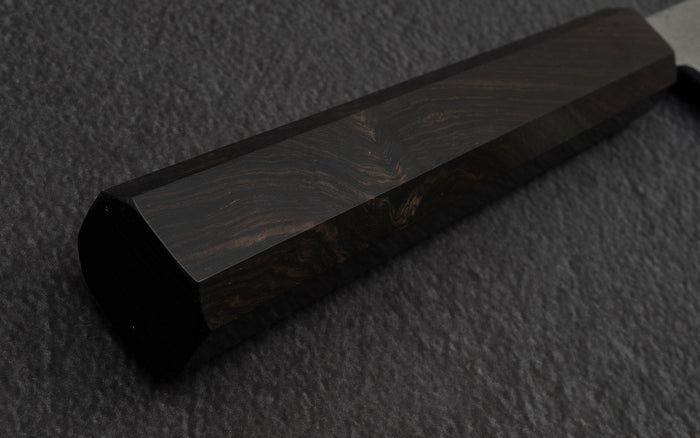
Handle Specs
Profile: Octagonal WA
Material:
<< Slide for more