PRAHRAN STORE NOW OPEN · THU–MON · 10AM–6PM

Drag to spin · pinch or scroll to zoom

Yoshikane  |  SKU: YOSH_SKNA_SA170HATSU

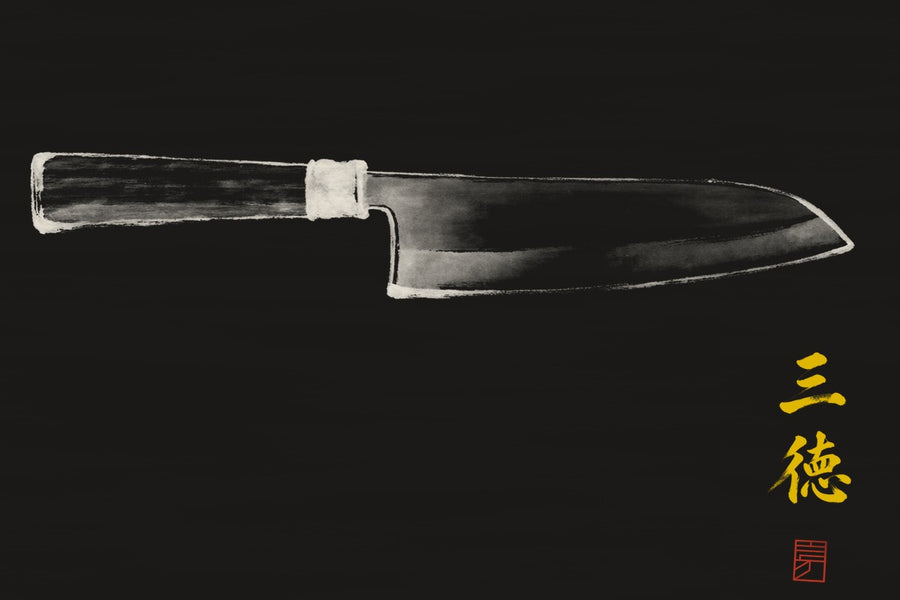
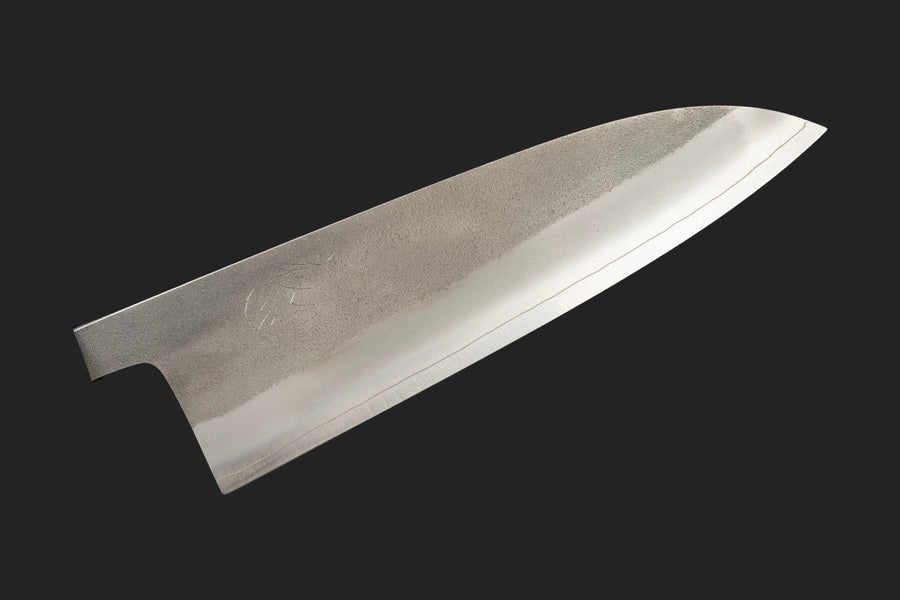
Hatsukokoro x Yoshikane SKD Nashiji Santoku 170mm Ebony Handle

Regular price $429.95

Sold out right now

Leave your email and we’ll send one message the moment it’s back in stock.

One email, no marketing. Privacy policy.

Availability

  • St Peters, NSW —
    2 Bishop St, Unit 2, St Peters NSW 2044
  • Crows Nest, NSW —
    107 West St, Shop 1, Crows Nest NSW 2065
    Pickup only
  • Prahran, VIC —
    180 Commercial Road, Shop 1, Prahran VIC 3181
    Pickup only
Detailed Specifications
Line Hatsukokoro By Yoshikane SKD Nashiji
Profile Santoku / Santoku
Bevel Type Double Bevel
Weight 176 g | 6.2 oz
Edge Length 170 mm | 6 11/16″
Heel Height 50 mm | 1 31/32″
Width @ Heel 3.5 mm | 9/64″
Width @ Mid 2.1 mm | 5/64″
Width @ 1cm from Tip 1.2 mm | 3/64″
Steel SKD | Semi-stainless
Blade Construction Sanmai - Stainless Clad
Hardness (HRC) 62 - 64
Surface Finish Nashiji
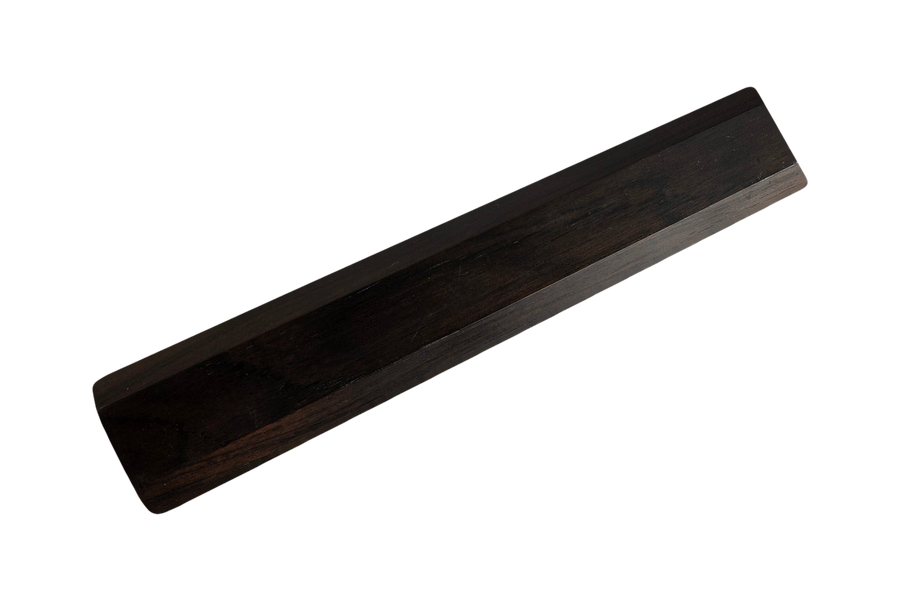
Handle Octagonal Ebony
Region Sanjo
Best for
  • Pro chefs
  • Students
  • Enthusiasts
  • Free shipping for knives over AU$200 Australia wide.
  • World-wide shipping via DHL Express, 3 to 5 days.


The Yoshikane SKD Nashji line is probably one of the best cutting offerings from the entire K&S offerings. I often use this knife in the store to demonstrate "how a knife should cut". The primary bevels are done in a convex grind which splits food and reduces sticking, and the low chromium content of the SKD steel provides the ability to get an extremely fine and bitey edge, these two features works together with the tapered Sanjo profile results the ultimate Kireaji-the "Cutting Taste" of this line. Landing the edge on the skin of a potato and use two fingers to pull the handle backwards, these blades won't hesitate much when dropping through the entire potato.

For those not familiar with SKD, it is SKD12 also known as A2 tool steel, with about 1% of Carbon content, and only 4.5% of Chromium. Heat treated perfectly by Yoshikane to HRC 63, the SKD very much behaves like carbon steel in terms of taking a very keen edge, the food release and also super easy to sharpen; yet without the need of high maintenance.

With a rustic Nashiji finish coupled with a highly praised Sanjo region F&F, this knife has a very nice profile, large sweet spot, and feels very nimble in hand. SKD Semi-stainless core with stainless cladding ensure the highest cutting performance yet the stainless cladding means you will have little worry about the rust.

Pros Cons
  • Excellent performance
  • Thin behind the edge
  • Great OOTB
  • Semi-stainless can rust
Care Instruction
  1. Don't cut hard things! Japanese knives are brittle so bone hacking is a NO NO!
  2. Wash with neutral detergent after use, and wipe dry;
  3. Please don't wash knife with dishwasher, it will damage the wood handle;
  4. Be careful not to leave the knife close to a heat source for a long time;
  5. It is a lot more dangerous to cut with a blunt knife than a sharp knife!
  6. It is best to sharpen a Japanese knife regularly on a waterstone.
  7. Semi-stainless steel won't rust easily but may still patina

Yoshikane Hamono

Traditional Sanjo Knife Maker.

Yoshikane is a boutique knife maker based in Sanjo, Niigata. Founded in 1919 (大正8年),it is one of the most established top quality kitchen knife manufacturers in the region. Many new generation blacksmith in Sanjo took has apprenticeship experience at this knife workshop. 

Headmaster Yamamoto-san believes, “while many things change rapidly nowadays, there are ideas and believes that never change. Everyday I make sure the meaning of these words are forged into knife making”. And indeed because of this firm believe, this workshop produces some of the highest quality kitchen knives with superb fit and finish. The workshop is also very famous for its heat treatment of White 2 and the use of semi-stainless SKD steel. 

“Top performance Japanese kitchen knives from Sanjo, Niigata, renowned for exceptional grind quality and masterful heat treatment of White #2 and SKD semi-stainless steels.”

Est. 1919 | 大正8年
Known for Ultra thin Sanjo grinds, master of Sanjo blacksmith.
Website yoshikanehamono.com Read more about Yoshikane Hamono

Yoshikane Hamono · Sanjo

Knife details

Frequently asked questions

Gyuto or santoku - which should I choose?

Both are all-purpose Japanese knives, and for most home cooks either will handle the bulk of daily prep. The choice comes down to length, blade shape, and how you like to cut.

A gyuto is the Japanese chef's knife - typically 210 to 240mm with a gently curved edge that lets you rock and slide through cuts as well as chop. The extra length and pointed tip give you reach and versatility, from proteins to large produce.

A santoku is shorter, usually 165 to 180mm, with a flatter profile and a rounded sheep's-foot tip. It rewards a straight up-and-down push cut, feels nimble in smaller hands or tight kitchens, and is the classic Japanese household knife.

Rule of thumb: choose a gyuto if you want one do-everything knife with more reach, or a santoku if you prefer a compact, easy-to-control blade. Plenty of our customers end up owning both.

What is SKD steel used for in Japanese knives?

SKD steel is a high-carbon, mid-chromium tool steel used in Japanese knives to deliver carbon-steel-like edge sharpness and ease of sharpening without the high maintenance requirements of traditional carbon steel.

This steel contains 1.0% carbon and 5.0% chromium, allowing it to be hardened to an HRC of 62–64 while maintaining a balance between edge retention and corrosion resistance. At K&S, it is available through the Hatsukokoro x Yoshikane collaboration, with options such as the SKD Nashiji Honesuki 150mm, the SKD Nashiji Gyuto 240mm, and the SKD Nashiji Sujihiki 270mm. These knives are best suited for professional chefs or serious home cooks who want a keen edge and simple sharpening process but prefer not to deal with the rusting issues common to pure carbon steels.

You May Also Like