PRAHRAN STORE NOW OPEN · THU–MON · 10AM–6PM

Drag to spin · pinch or scroll to zoom

Tsunehisa  |  SKU: TNHS_ZA18DA_SU24

Tsunehisa ZA18 Damascus Sujihiki 240 mm Brown Western Handle

Regular price $279.95

Sold out right now

Leave your email and we’ll send one message the moment it’s back in stock.

One email, no marketing. Privacy policy.

Availability

  • St Peters, NSW —
    2 Bishop St, Unit 2, St Peters NSW 2044
  • Crows Nest, NSW —
    107 West St, Shop 1, Crows Nest NSW 2065
    Pickup only
  • Prahran, VIC —
    180 Commercial Road, Shop 1, Prahran VIC 3181
    Pickup only
Detailed Specifications
Line Tsunehisa VG10 Damascus
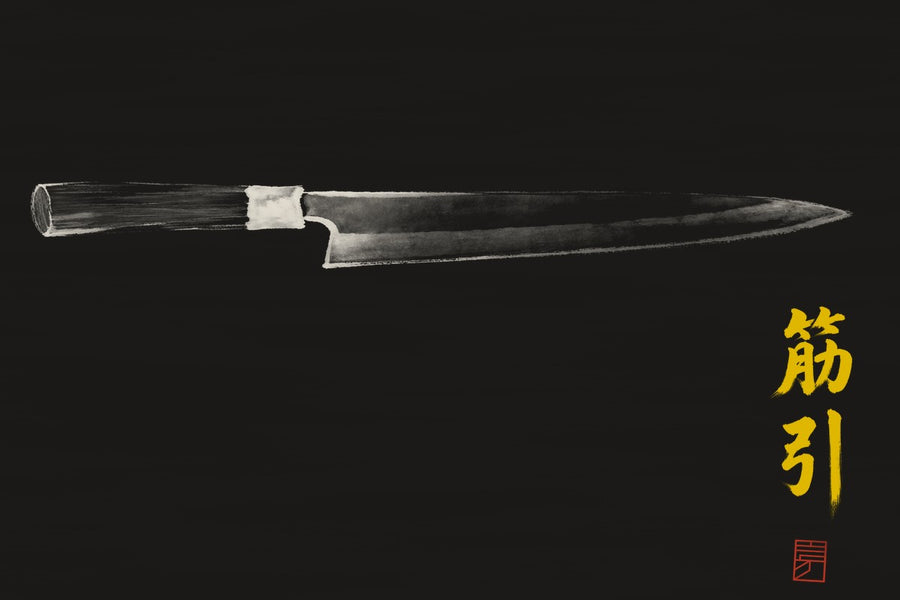
Profile Sujihiki / Slicing knife
Bevel Type Double Bevel
Weight 180 g | 6.3 oz
Edge Length 244 mm | 9 39/64″
Heel Height 33 mm | 1 19/64″
Width @ Heel 2.0 mm | 5/64″
Width @ Mid 2.0 mm | 5/64″
Width @ 1cm from Tip 1.0 mm | 3/64″
Steel ZA-18 | Stainless
Blade Construction Sanmai - Stainless Damascus Clad
Hardness (HRC) 60 - 62
Surface Finish Mirror Polish
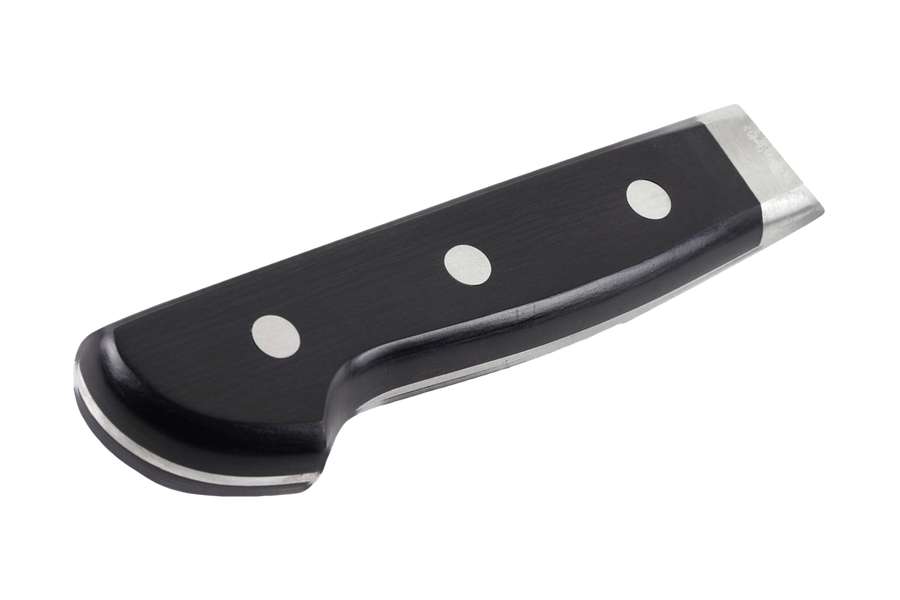
Handle Western Pakka Wood with Bolster
Region Fukuyama
Best for
  • Household
  • Gift buyers
  • Pro chefs
  • Free shipping for knives over AU$200 Australia wide.
  • World-wide shipping via DHL Express, 3 to 5 days.


The Tsunehisa’s VG10 Damascus line is an excellent beginner choice for those who are switching from western style knives, it offers the features that people long for from a Japanese blade while keeping familiar elements that they have become accustomed to. This line warps these features in a polished and elegant package, offered to you at a competitive price.

The steel used by this line offers a solid foundation to build on, VG10 as a steel that is tested and proven over time, offers balanced edge retention, toughness and full stainlessness. The knife itself shall be categorised as a “Machine Made”, with blades made with pre-laminated steel stamped in batch. This doesn’t seem to match its slightly higher cost than other knives of similar specifications but I would say the level of finish justifies it. Damascus cladding is polished to a near-mirror finish, with sandblasting revealing the contrasting pattern that dances as you move it against a light source. The bolster’s polish is rather refined, and the fitting between it, the tang and handle scales are consistently met together. The maker even has a special sizing for the slimmer sujihiki, which unlike Tojiro and many other makers, is slim, light and elegant. When you pick the red handle version from this line, you might even mistake it as the famous Takamura Uchigumo at a glance. At the same time, Tsunehisa also offers through-tang variant, which allows more freedom for exchanging different handles and adjusting feeling and balance for it.

These blades are constructed rather thin, with a sub-2mm thickness across the spine for most models. This certainly makes them excellent cutters especially on hard and dense foods: carrot, onions, sweet potatoes, you name it, the only criticism I may raise would just be the sticking of thin slices on the blade, but this is hardly a viable solution for a knife this thin and finished in this way. The thin blade is paired with a western handle, and leads to a generally handle-heavy balance across the entire line, this is a balance that long term western knife users are familiar with and able to get used to quickly, but now it is paired with a Japanese edge that cuts much more smoothly.

This is a line designed and built with beauty in mind, although not outstanding in the value compartment, I still think this is something to consider if you are looking for the first Japanese knife to get when switching over from a European one.

Pros Cons
  • Thin behind the edge
  • Excellent fit and finish
  • Easy to look after
  • High budget
Care Instruction
  1. Don't cut hard things! Japanese knives are brittle so bone hacking is a NO NO!
  2. Wash with neutral detergent after use, and wipe dry;
  3. Please don't wash knife with dishwasher, it will damage the wood handle;
  4. Be careful not to leave the knife close to a heat source for a long time;
  5. It is a lot more dangerous to cut with a blunt knife than a sharp knife!
  6. It is best to sharpen a Japanese knife regularly on a waterstone.

Tsunehisa

Tsunehisa, the house brand of Shibata Knives

Tsunehisa (恒久) is the house brand of Shibata Knives, the knife company Takayuki Shibata owns and runs. It is a brand rather than a single workshop.

The name means permanence, and Shibata Knives says it chooses knives that will have a long life. Takayuki Shibata started Tsunehisa in 2015 as his third knife brand, to help manage growing orders.

Read more

Shibata Knives describes Tsunehisa as a brand that inherits traditional Japanese forging techniques while taking in the latest materials and technologies, aiming at function and design for long use. It says its experienced staff inspect each knife under strict quality control, and it offers after-sales maintenance and sharpening.

The lines we list are grouped by steel. Ginsan comes in migaki, nashiji and nawame finishes, as gyuto, santoku, nakiri and petty, with a deba in the same steel. White 1 comes stainless clad as migaki and tsuchime gyuto, Aogami Super as kurouchi tsuchime sujihiki and petty, and Blue 2 as the Samurai sakimaru sujihiki.

The Damascus lines are in VG10, AUS10 and ZA18, the AUS10 also with a tsuchime finish. The rest are AUS8 tsuchime, a VG1 gyuto and an SLD Washiji santoku. Handles come in wa and yo styles.

“The house brand of Shibata Knives; the name means permanence.”

Est. 2015 | 平成27年
Known for Knives chosen and inspected by Shibata Knives
Read more about Tsunehisa

Tsunehisa · Fukuyama

Knife details

Frequently asked questions

What size sujihiki should I buy?

Between 210 and 270 mm, depending on where it will work. One Japanese maker lists 210 to 240 mm, double-bevel, for home use and 240 to 270 mm, single- or double-bevel, for professional kitchens.

Another, in Sakai, recommends 240 mm at home, with the size of your board in mind, and 270 mm for professional use.

Sujihiki or yanagiba: which do I need?

A sujihiki is a long, double-bevel knife for dividing larger pieces of meat into their parts, and its length lets it slice sashimi too; a yanagiba is the sashimi knife.

The Sakai cutlery association describes the yanagiba (柳刃包丁) edge as so acute that it cannot be used on bone or other hard things, so choose the sujihiki for meat and the yanagiba if sashimi is the main job.

What does the name Tsunehisa mean?

Tsunehisa (恒久) means permanence. Shibata Knives describes Tsunehisa as its original brand, and says it selects knives that will have a long life, inspecting each one before delivery. Its own words are that it delivers knives worthy of a permanent position in your home.

The brand is built on traditional Japanese forging techniques with modern materials, and Shibata Knives offers after-sales maintenance and sharpening for the line.

Is Tsunehisa a brand or a blacksmith?

Tsunehisa is a brand, not a single smith or a workshop. Shibata Knives describes it as an original brand of the company, run by Takayuki Shibata, and Shibata Knives does not name the workshop that makes each line. The company inherits traditional Japanese forging techniques with modern materials, and experienced staff inspect each knife before it is delivered.

What stands behind each Tsunehisa knife is that selection and inspection, and the company offers after-sales maintenance and sharpening for the line.

You May Also Like