PRAHRAN STORE NOW OPEN · THU–MON · 10AM–6PM

Shibata  |  SKU: TK-BRCD-TK180

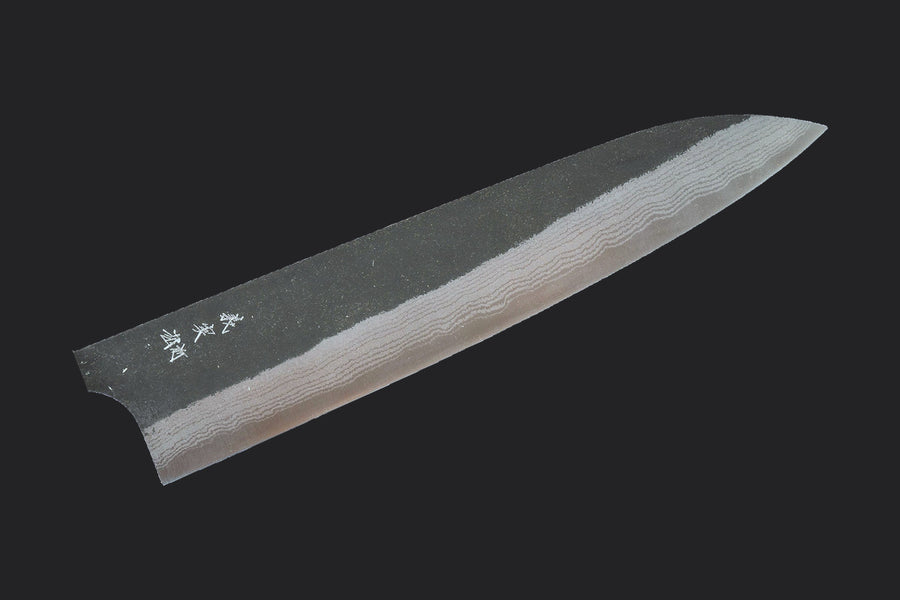
Shibata Tinker Chibi Tank 180mm

Regular price $799.95

IMPORTANT: Carbon steel knives can rust or patina quickly if not cared for properly. They require regular cleaning, drying, and oiling. If you are unfamiliar with carbon steel maintenance, we recommend choosing a stainless steel option instead.

Sold out right now

Leave your email and we’ll send one message the moment it’s back in stock.

One email, no marketing. Privacy policy.

Availability

  • St Peters, NSW —
    2 Bishop St, Unit 2, St Peters NSW 2044
  • Crows Nest, NSW —
    107 West St, Shop 1, Crows Nest NSW 2065
    Pickup only
  • Prahran, VIC —
    180 Commercial Road, Shop 1, Prahran VIC 3181
    Pickup only
Detailed Specifications
Line Tinker
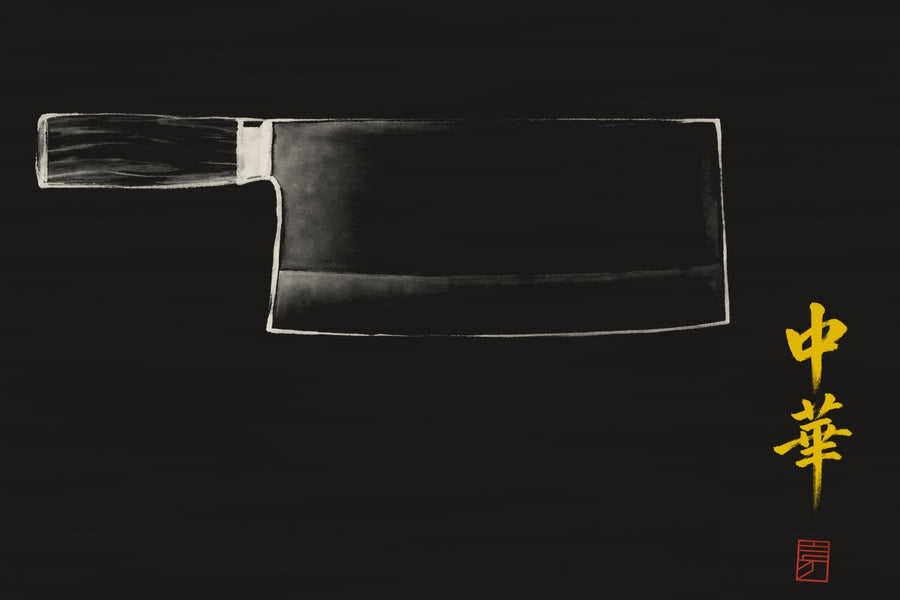
Profile Chuka (Cleaver) / Chinese cleaver
Bevel Type Double Bevel
Weight 386 g | 13.6 oz
Edge Length 184 mm | 7 1/4″
Heel Height 87 mm | 3 27/64″
Width @ Heel 5.5 mm | 7/32″
Width @ Mid 4.8 mm | 3/16″
Width @ 1cm from Tip 1.6 mm | 1/16″
Steel Blue Super / Aogami Super | Carbon
Blade Construction Sanmai - Stainless Clad
Hardness (HRC) 62 - 65
Surface Finish Kurouchi
Handle Octagonal Rosewood Handle
Region Fukuyama
Best for
  • Enthusiasts
  • Collectors
  • Pro chefs
  • Free shipping for knives over AU$200 Australia wide.
  • World-wide shipping via DHL Express, 3 to 5 days.


Tinker is one of Takayuki Shibata's own brands at Iron Clad. His site describes it as a knife series that combines playful design and functionality, with outdoor-inspired knives suitable for any type of cooking, and says his chef friends helped him develop it.

Shibata's site lists the line-up as TANK, Saber teeth, Barracuda and Iron horse, and says the TANK began when a friend asked for a tough outdoor-style knife that can do all kinds of cooking.

The Tinker knives we list are sanmai blades clad in stainless steel, with a kurouchi finish: the Chibi Tank in 135 mm and 180 mm, and the Barracuda Teeth honesuki in 165 mm.

Pros Cons
  • Excellent performance
  • Highly collectable
  • Great artistic
  • Great OOTB
  • High budget
  • Need extra care
  • Semi-stainless can rust
Care Instruction
  1. Don't cut hard things! Japanese knives are brittle so bone hacking is a NO NO!
  2. Wash with neutral detergent after use, and wipe dry;
  3. Please don't wash knife with dishwasher, it will damage the wood handle;
  4. Be careful not to leave the knife close to a heat source for a long time;
  5. It is a lot more dangerous to cut with a blunt knife than a sharp knife!
  6. It is best to sharpen a Japanese knife regularly on a waterstone.
  7. Oil the (carbon) knife if storing for an extended period of time to prevent rust.

Iron Clad

Iron Clad, Takayuki Shibata's company in Fukuyama

Iron Clad/Koutetsu is the made-in-house brand by Shibata Knives, bearing the motto “Art Over Beauty”, it’s a sharpening/grinding focus brand that known for its Hatsuke(刃付け, bevel-making) skill. The sharpener and leader Takayuki Shibata was the founder of Shibata Knives and other sister brands of Iron Clad, including the highly praised Masakage and the value-focused Tsunehisa.

The knife offered by Iron Clad are engraved with 崇行, which is Shibata’s first name Takayuki. Each Iron Clad knife is grinded by hand sharpening on rotary stone to produce the excellent geometry that Shibata-san developed through years of his experience on sharpening. These knives are generally referred as Koutetsu SG2/AS/Chromax, they share a similar profile, finished uniformly with Migaki finish and sharpened with Shibata’s unique differential grit sharpening technique to get a smooth yet bitey edge. The knives under the banner of Koutetsu are elegant and simple while great in performance, building Iron Clad a fame for its professional oriented designs.

“Takayuki Shibata's knife company in Fukuyama, behind the Koutetsu, Masakage and Tsunehisa brands.”

Est. 2009 | 平成21年
Known for Koutetsu knives, and the Masakage and Tsunehisa brands
Website shibataknives.com Instagram @knife_gallery.jp Read more about Iron Clad

Iron Clad · Fukuyama

Knife details

Frequently asked questions

Can a chuka cleaver cut bone?

It depends on the blade thickness. A knife maker's guide sorts the chuka cleaver (中華包丁) into three thicknesses, each suited to different foods.

The thin kind (薄刃), the lightest, is for the everyday foods a supermarket sells; the medium-thick kind (中厚刃) can also cut hard foods such as bone-in chicken and fish bones; and the thick kind (厚刃), the heaviest and meant for experienced users, suits bone-in block meat and frozen food. Check the thickness of your blade before you cut any bone.

Will a carbon steel knife rust, and how do I look after it?

Yes, carbon steels such as Aogami (Blue) and Shirogami (White) react with food, moisture, and acids, so left wet they can spot or rust. With normal use they develop a grey, blue and brown patina, and that patina is expected on a carbon knife rather than damage.

Aogami has only a little chromium, far below what a stainless steel needs, so water left sitting on the blade will spot it. A patina is a stable oxide layer that slows rust down; orange or red specks are rust.

Care is simple once it becomes habit:

  • Wipe the blade as you go, especially after onion, citrus or tomato.
  • When you finish, wash it in warm water with a little soap and dry it straight away with a towel. Don't let it air dry or leave it in the sink or the dish rack, and never put it in the dishwasher.
  • Store it dry: on a magnetic strip, in a saya or in a block in a dry spot.
  • If it's going to sit unused for a while, wipe on a thin film of food-safe mineral oil before storing it.

If you do find rust, lift light orange spots with a rust eraser and a little water, then dry and oil the blade. We stock the CKK and Naniwa rust erasers, and the Koyo Sunlite Polishing Paste (Blue for Steel) lifts light surface rust or refreshes a finish. Rust on the edge itself comes off the next time you sharpen. Deep pitting needs a professional sharpener. Avoid steel wool and harsh scouring on a polished or kurouchi finish, because they scratch it.

On a stainless-clad knife only the thin line of carbon steel along the edge can rust; the cladding stays clean. A carbon-clad or honyaki blade can rust over its whole face and needs the same care all over.

Carbon steel rewards this small amount of attention with a keener edge and easier sharpening than most stainless.

What is Aogami Blue steel and why do chefs like it?

Aogami Blue steel, specifically Aogami Super (Blue Super), is a high-carbon Japanese knife steel made by Proterial that chefs value for its ability to take an extremely sharp edge and hold it longer than most other carbon steels, thanks to a composition with 1.40 to 1.50% carbon, 2.00 to 2.50% tungsten and 0.30 to 0.50% vanadium.

The "Blue" in Aogami refers to the color of the paper the steel is wrapped in at the mill, not the steel itself. Proterial describes Aogami Super as an alloy steel with tungsten, chromium and vanadium to improve heat-treatment properties and wear resistance. Proterial gives it a hardening hardness of over 60 HRC, giving you a blade that can be ground very thin for aggressive cutting performance while still resisting chipping in normal use. The trade-off is that, like all high-carbon steels, it is not stainless: it will rust if left wet or acidic, so you need to wipe it down and keep it dry.

How do I keep aogami carbon steel from rusting?

Aogami (Blue) steel has less than half a percent of chromium, nowhere near what a stainless steel needs, so water left sitting on the blade will spot it. Dry it as soon as you finish, keep it somewhere dry, and let a patina build. Do that and aogami will hardly ever rust. On a stainless-clad knife only the thin line of aogami along the edge can rust; the cladding stays clean.

Will a carbon steel knife rust? covers patina, rust removal and which cladding rusts.

What is the difference between Aogami Super and Blue 2?

The difference is in Proterial's own figures: Aogami Super has 1.40 to 1.50% carbon, 2.00 to 2.50% tungsten, 0.30 to 0.50% chromium and 0.30 to 0.50% vanadium, against Aogami 2 (Blue 2) at 1.05 to 1.15% carbon, 1.00 to 1.50% tungsten and 0.20 to 0.50% chromium.

Proterial describes both as alloy steels with tungsten and chromium to improve heat-treatment properties and wear resistance, and also names vanadium for Aogami Super. Both pages list hardening hardness over 60 HRC, and Proterial lists Aogami Super for high-quality planes, other tipped tools, kitchen knives and sickles.

What is Shibata Tinker?

Tinker is a knife brand of cutler Takayuki Shibata, who owns and runs Shibata Knives. His site says his chef friends helped him develop it, combining playful design and functionality.

The site describes Tinker as outdoor-inspired knives suitable for any type of cooking, focusing on materials and shapes.

Where did the Tinker Tank come from?

Shibata's site says a chef friend wanted a tough outdoor style knife that could do all kinds of cooking.

The site says that request led to TANK.

Does Iron Clad sharpen its knives itself?

Yes, in part. Takayuki Shibata's own page for the Koutetsu line says of those knives, "we carefully sharpen them one by one."

From our own dealings with Iron Clad, he does the sharpening himself on knives that carry his name, though probably not on each one.

Iron Clad's company page lists resharpening among its business, with the export, maintenance and making of knives.

You May Also Like