Crows Nest store now open from Friday to Tuesday, 10am till 6pm.

Tsunehisa  |  SKU: TNHS_VG10DA_SU24_BRN

Tsunehisa VG10 Damascus Sujihiki 240mm

Sale price $237.99 Regular price $279.95
Tax included Shipping calculated at checkout.
Handle color

Availability

  • St Peters
    2 Bishop St Unit 2 St Peters NSW 2044
  • Crows Nest
    107 West St, Crows Nest NSW 2065
    Pickup only
Detailed Specifications
Line Tsunehisa VG10 Damascus
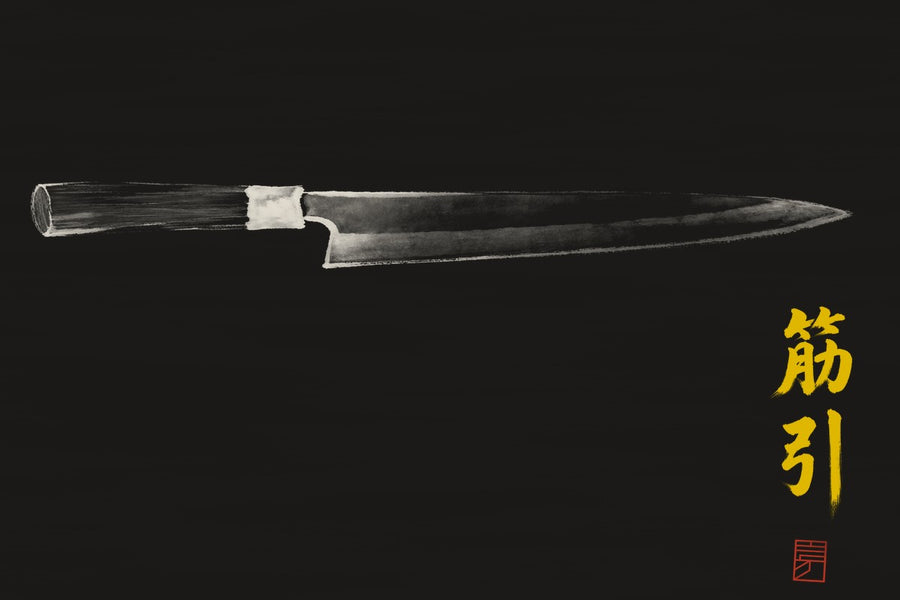
Profile Sujihiki / Slicer
Bevel Type Double Bevel
Weight 140 g        4.94 oz
Edge Length 242 mm   .9.53 inch
Heel Height 33 mm     .1.3 inch
Width @ Spine 1.6 mm     0.06 inch
Width @ Mid 1.6 mm     0.06 inch
Width @ 1cm from Tip 1.0 mm     0.04 inch
Steel VG10 | Stainless
Blade Construction Sanmai - Stainless Damascus Clad
Hardness (HRC) 59 - 61
Surface Finish Mirror Polish
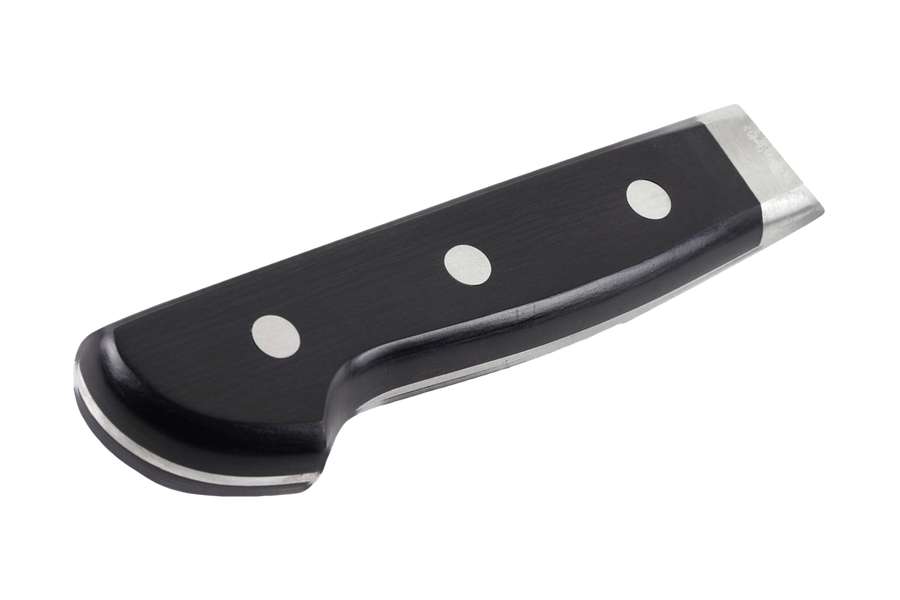
Handle Western Pakka Wood with Bolster
Region Fukuyama
Best for
  • Household
  • Gift buyers
  • Pro chefs
    • Free shipping for knives over AU$200 Australia wide.
    • World-wide shipping via DHL Express, 3 to 5 days.

    The Tsunehisa VG10 Damascus Sujihiki 240mm is a refined slicing knife designed for precision and effortless cuts. Crafted in Japan, it features a VG10 stainless steel core, known for excellent edge retention, sharpness, and corrosion resistance—ideal for both professional chefs and home enthusiasts. The long, narrow sujihiki profile allows for clean, single-draw slices through proteins, reducing friction and preserving texture.

    Clad in beautiful Damascus layers, the blade showcases a flowing pattern that enhances both aesthetics and food release. The thin grind and fine edge make it perfect for slicing meats, fish, and delicate proteins with accuracy.

    Fitted with a Western-style handle, the knife offers a familiar, well-balanced grip with added stability and comfort during extended use. Elegant yet highly functional, this Tsunehisa sujihiki is a versatile addition to any kitchen.


    Care Instruction
    1. Don't cut hard things! Japanese knives are brittle so bone hacking is a NO NO!
    2. Wash with neutral detergent after use, and wipe dry;
    3. Please don't wash knife with dishwasher, it will damage the wood handle;
    4. Be careful not to leave the knife close to a heat source for a long time;
    5. It is a lot more dangerous to cut with a blunt knife than a sharp knife!
    6. It is best to sharpen a Japanese knife regularly on a waterstone.

    Tsunehisa

    Tsunehisa isn’t tied to one workshop – it’s a celebration of all Japan’s great knife regions. Think Sakai’s laser-precision grinds, Tosa’s mastery of steels like Ginsan, and the distinct traditions of other forging hubs, all united under one brand. By pooling this regional expertise, Tsunehisa delivers exceptional handmade quality at surprisingly accessible prices.

    Each knife reflects thoughtful design and rigorous quality control by the Ironclad group (led by Shibata Takayuki). You get authentic techniques – hand-forging, perfect heat treats – paired with modern functionality and Japan's finest steels. Clean aesthetics ensure they look as good as they perform.

    Tsunehisa believes a great knife should be a lifelong companion. That’s why they combine serious performance with dedicated after-sales care, including sharpening support. It’s genuine Japanese craftsmanship, distilled for cooks who value both heritage and smart value.

    • Profile: Sujihiki

      Slicer

      The Sujihiki, also known as Sujibiki, stands out as a Japanese slicing knife, characterized by a thinner and sharper edge than those found in Western kitchens. Its long blade is ideally crafted for the artful, thin carving of proteins and for slicing terrines and patés with finesse. Blade lengths span from 210mm to 300mm (8.3 to 12 inches), with 240mm and 270mm being particularly favored for their balanced cutting length and agility. When used for their intended purpose Sujihiki has a significant advantage: the slimmer blade will have less surface contact with the soft protein, and lead to reduced frictions during the cut compare to Gyuto as this type of food would "grip" the blade from pushing forward. In addition, the generally flat profile of Sujihiki is a perfect match for slicing tasks, when paired with a carbon steel core, they are some of the best tools for portioning large piece of meat, they can also act as the perfect melon cutter occationaly.

      Slide for more >>

    • Steel: VG10

      Takefu VG10, is a high-end stainless steel celebrated for its exceptional edge retention and sharpness. It is a popular choice among Japanese kitchen knife makers and widely used in various types of knives, including kitchen knives, folders, and fixed blades.

      VG10 achieves a hardness of around 60-61 HRC, with some makers pushing it to 62 HRC, ensuring good edge holding and stain resistance. The steel's composition includes 15% chromium (Cr) for corrosion resistance, 1% molybdenum (Mo), and 1.5% cobalt (Co) for matrix strengthening, leading to high hardness and durability. The addition of vanadium (V) refines its microstructure and, along with Cr and Mo, produces hard carbides that enhance wear resistance. VG10 is easy to sharpen, has good machinability, and supports secondary hardening with high-temperature tempering, making it suitable for blades that may undergo surface coating treatments up to about 450℃. Its well-rounded attributes make VG10 steel highly versatile, performing excellently in a range of applications from kitchen and general-purpose knives to machine blades.

      Manufacturer:

      • Takefu Special Steel, Japan

      Nature: Stainless

      Hardness: 59- 61

      << Slide for more >>

    • Handle Specs

      Profile: Western with bolster

      Material:

      • Pakka Wood

      Western Pakka Wood handle is the common choice for entery level knives, in some cases, they will be made with bolster that is welded to the blade. The Pakka wood created by laminate wood with resin, creating a dense material that can have layers of different color. Compared with natural timber, this engineered wood is harder and absorb less water, in addition, the low cost of production makes it ideal of grip of entry level knife.

      << Slide for more

    Liquid error (sections/product-recommendations line 9): Could not find asset snippets/kns-product-recs.liquid