PRAHRAN STORE NOW OPEN · THU–MON · 10AM–6PM

Hatsukokoro  |  SKU: YAUJ_G3DA_SA180

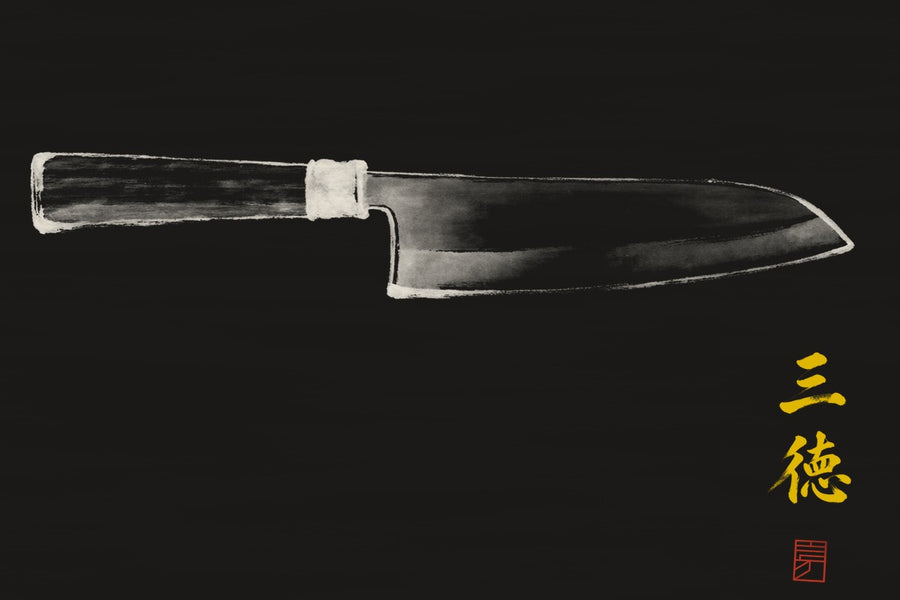
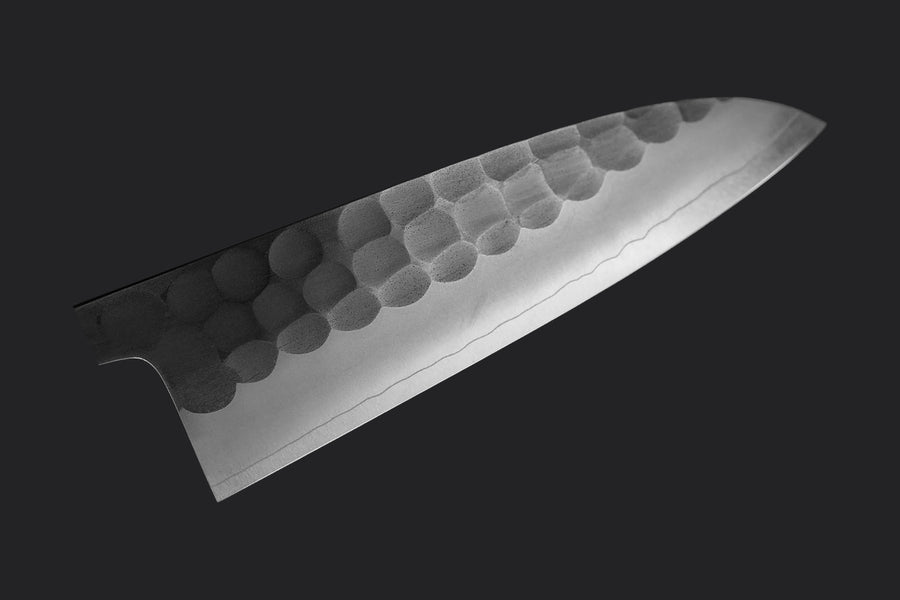
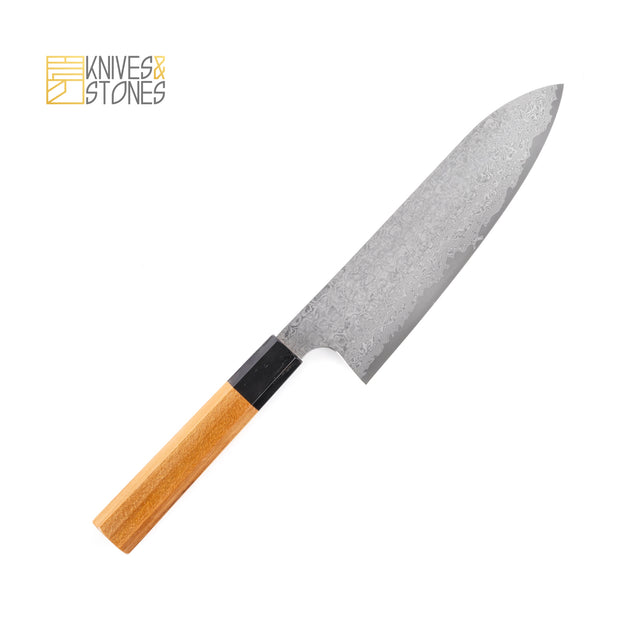
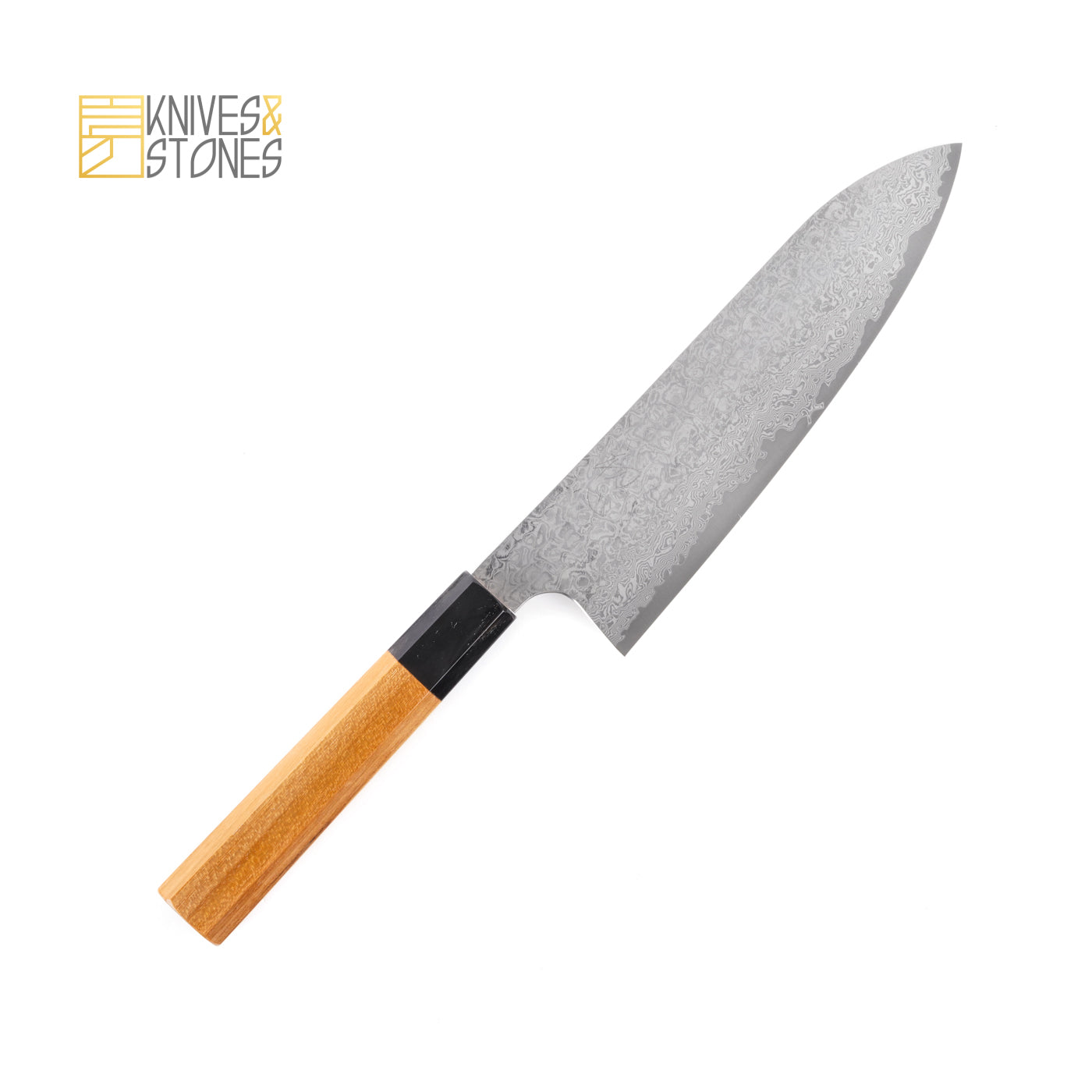
Hatsukokoro Ginsan Damascus Tsuchime Santoku 180mm with Teak Wood Handle, by Yoshihiro Yauji

Regular price $475.00

Sold out right now

Leave your email and we’ll send one message the moment it’s back in stock.

One email, no marketing. Privacy policy.

Availability

  • St Peters, NSW —
    2 Bishop St, Unit 2, St Peters NSW 2044
  • Crows Nest, NSW —
    107 West St, Shop 1, Crows Nest NSW 2065
    Pickup only
  • Prahran, VIC —
    180 Commercial Road, Shop 1, Prahran VIC 3181
    Pickup only
Detailed Specifications
Line Hatsukokoro by Yoshihiro Yauji Ginsan Damascus Tsuchime
Profile Santoku / Santoku
Steel Ginsan / Silver #3 | Stainless
Blade Construction Sanmai - Stainless Damascus Clad
Hardness (HRC) 60 - 62
Surface Finish Tsuchime
Handle
Region Takefu
Best for
  • Pro chefs
  • Household
  • Free shipping for knives over AU$200 Australia wide.
  • World-wide shipping via DHL Express, 3 to 5 days.


This Hatsukokoro line is by Yoshihiro Yauji and carries a Tsuchime hammer texture across a full kitchen: Santoku, Gyuto in two sizes, Nakiri and a Petty, all with a K&S teak wood handle.

Inside is a Ginsan stainless core with stainless Damascus cladding, hardened to 60 to 62 HRC. Because the blade is stainless, care stays simple: wash it, dry it, and put it away rather than leaving it wet.

The gyuto runs from 210 to 240 mm at 190 and 240 g, the santoku is a compact everyday blade at 172 g, and the nakiri brings a 52 mm tall blade to leafy greens. These are unfussy knives for daily vegetable and meat work, and optional handle upgrades are available if you want to dress one up.

Pros Cons
  • Excellent performance
  • Ideal for the household
Care Instruction
  1. Don't cut hard things! Japanese knives are brittle so bone hacking is a NO NO!
  2. Wash with neutral detergent after use, and wipe dry;
  3. Please don't wash knife with dishwasher, it will damage the wood handle;
  4. Be careful not to leave the knife close to a heat source for a long time;
  5. It is a lot more dangerous to cut with a blunt knife than a sharp knife!
  6. It is best to sharpen a Japanese knife regularly on a waterstone.

Yoshihiro Yauji

Yoshihiro Yauji (弥氏 良寛), Kutsurogi (寬), Echizen

Yauji Yoshihiro(弥氏 良寛), born in Echizen, Fukui Prefecture in 1983. At age of 20 in 2003, he entered Kitaoka Knives to apprentice under Kitaoka Hideo(北岡 英雄), the third generation bladesmith of Kitaoka Knives. In fiscal 2018, he was certified as a traditional craftsman.

In April of 2021, Yoshihiro Yauji left Kitaoka Knives and set up his own independent knife workshop Kutsurogi(寬), which shares a same Kanji with part of his name. Kutsurogi along with Yoshihiro Yauji is now a part of the Takefu Knife Village, which is an association that consists 14 knife companies and more than 40 bladesmiths, all located in Echizen area. With big names like Yu Kurosaki, Shiro Kamo and Yoshimi Kato, the Takefu Knife Village has a total of 17 Certified Traditional Craftsman, working and communicating with each others, they make the association a remarkable force in the industry.

Yoshihiro Yauji's knives are often found in damascus, with a color that is usually brighter than what you find on other makers. These blades seems to be grinded with a convex bevel, which helps prevent food sticking greatly, especially when paired with a more"sticky" finish like a mirror polish.

“Traditional craftsman certified in fiscal 2018, listed with Kutsurogi (寬) at Takefu Knife Village.”

Est. 2021 | 令和3年
Known for Traditional craftsman certification, Kutsurogi (寬)
Website takefu-knifevillage.jp Instagram @yoshihiro_yaichi Read more about Yoshihiro Yauji

Yoshihiro Yauji · Takefu

Knife details

Frequently asked questions

Gyuto or santoku: which should I choose?

Both are all-purpose Japanese knives, and for most home cooks either will handle the bulk of daily prep. The choice comes down to length, blade shape, and how you like to cut.

A gyuto is the Japanese chef's knife, with a gently curved edge that lets you rock and slide through cuts as well as chop. Tojiro's guide to Western knife shapes gives 150 to 210mm as the household size for a gyuto and up to 360mm for professional use. The extra length and pointed tip give you reach and versatility, from proteins to large produce.

Tojiro's guide to Japanese knife shapes gives 165 to 170mm as the household size for a santoku, which has a flatter profile and a rounded sheep's-foot tip. It rewards a straight up-and-down push cut, feels nimble in smaller hands or tight kitchens, and is the classic Japanese household knife.

Rule of thumb: choose a gyuto if you want one do-everything knife with more reach, or a santoku if you prefer a compact, easy-to-control blade. Plenty of our customers end up owning both.

Rock chop or up-and-down chop: which knife shape suits me?

Match the shape to your stroke. Rock chopping keeps the tip on the board and rolls the curved belly through the food, so a gyuto or a Western chef's knife suits it, and Japanese knives rock fine as long as you rock gently.

Up-and-down chopping, the Chinese style, wants a straight run of edge, so a nakiri, usuba, santoku or bunka suits it better; a curved edge chopped straight down easily leaves pieces joined. Neither shape is better; it depends on how you cut.

What does santoku mean?

A Japanese dictionary explains the name of the santoku (三徳包丁) as coming from the three things it handles: meat, fish and vegetables. The same dictionary entry points from the santoku to the bunka (文化包丁), treating the two as one knife.

One Japanese knife maker guide distinguishes the two by the tip. It says that in the Showa era the bunka was made with its tip cut at an angle, and the santoku came after it by rounding that tip.

What is Ginsan steel, and why do some Japanese knives use it?

Ginsan steel, also known as Silver #3 or G3, is a stainless steel made by Proterial in Japan, containing 0.95 to 1.10% carbon and 13.00 to 14.50% chromium, and it is used in Japanese knives because it combines the sharpness and ease of sharpening of carbon steel with the rust resistance of stainless steel. It is a fine-grained steel that takes a very sharp edge, and rated by Proterial at over 59 HRC, it offers a practical balance of edge retention and sharpenability for everyday kitchen use.

The name "Ginsan" (銀三) literally means "silver three," referring to its Silver #3 designation. Its moderate chromium content makes it far less reactive than carbon steels, so it won't discolor or rust as quickly, while its carbon content keeps the edge keen and responsive on the stones. For home cooks and professionals who want a stainless knife that still feels like a traditional Japanese blade, Ginsan is a common middle ground.

Is Ginsan stainless?

Yes. Proterial lists the steel as GIN 3 (銀紙3号) with 13.00 to 14.50% chromium, above the Japan Stainless Steel Association's 10.5% minimum for stainless steel.

Proterial describes it as a stainless steel with hardness and sharpness comparable to carbon steel, used in various kitchen knives and scissors, and the association notes that stainless, strictly, means it rusts less. Wash the knife and dry it after use.

Is Yoshihiro Yauji a certified traditional craftsman?

Yes. The Echizen Uchihamono association's roster of certified craftsmen lists Yoshihiro Yauji as certified as a traditional craftsman in fiscal 2018.

The roster says he wants to pass on traditional techniques and develop them into new things. It also says he formed a team that has begun making products while sharing the history and culture of traditional tatara iron making.

You May Also Like