On the craft
Understanding Tsuchime
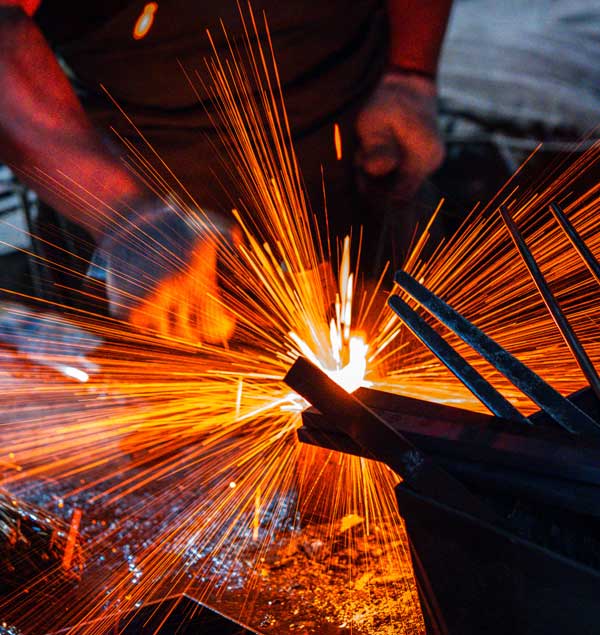
The "Tsuchime" or hammered finish on Japanese kitchen knives is a testament to the meticulous art of Japanese blacksmithing. This finish is achieved through a careful process where the blacksmith hammers the blade by hand, creating a series of indentations that give the knife its characteristic textured appearance. Beyond its visually striking effect, the tsuchime finish serves multiple functional purposes. The uneven surface creates air pockets between the blade and the food, significantly reducing drag and making slicing smoother. This effect also helps to minimize food sticking to the blade, facilitating a more efficient and enjoyable cooking experience.
Moreover, the tsuchime finish enhances the knife's rust resistance by breaking up the surface area and reducing the blade's contact with moisture and acidic food substances. Each hammered pattern is unique, making every knife a one-of-a-kind piece that reflects the skill and style of its creator. This blend of aesthetics, functionality, and craftsmanship makes the tsuchime finish highly prized among chefs and culinary enthusiasts worldwide, embodying the spirit of traditional Japanese artistry in the modern kitchen.