PRAHRAN STORE NOW OPEN · THU–MON · 10AM–6PM

Drag to spin · pinch or scroll to zoom

Nigara Hamono  |  SKU: NG-ASMATTSU-KGY240BC

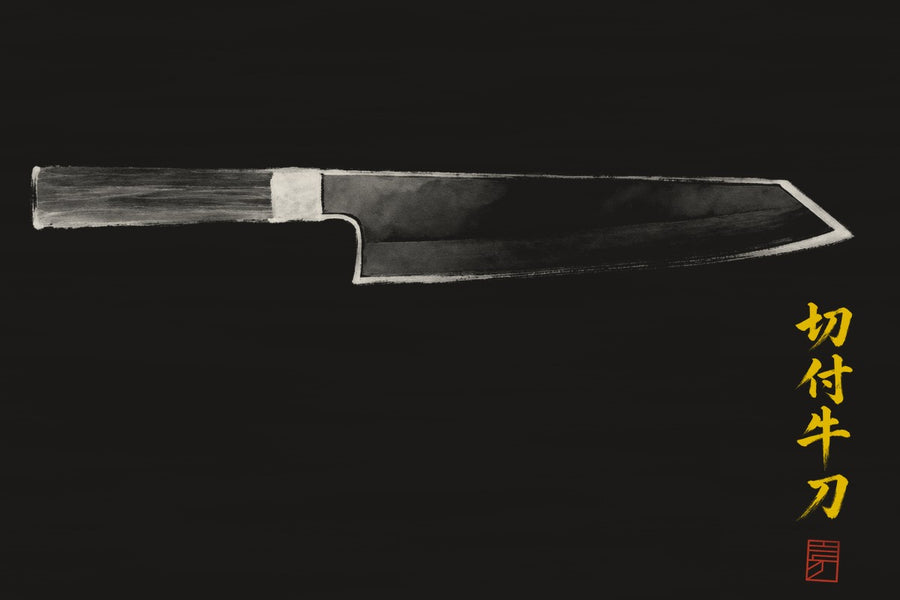
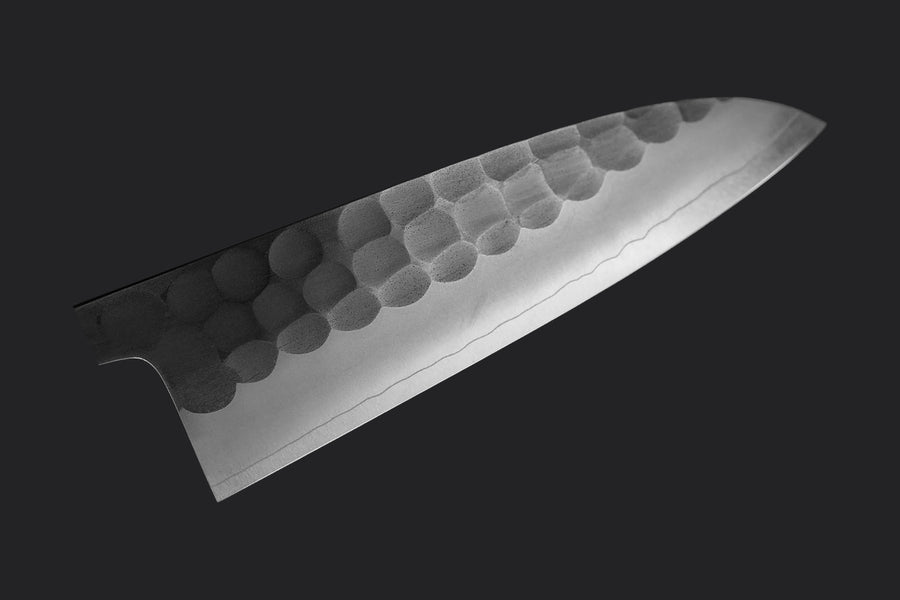
Nigara Aogami (Blue) Super K-tip Gyuto 240mm Tsuchime Black Chacate

Regular price $339.95

IMPORTANT: Carbon steel knives can rust or patina quickly if not cared for properly. They require regular cleaning, drying, and oiling. If you are unfamiliar with carbon steel maintenance, we recommend choosing a stainless steel option instead.

Sold out right now

Leave your email and we’ll send one message the moment it’s back in stock.

One email, no marketing. Privacy policy.

Availability

  • St Peters, NSW —
    2 Bishop St, Unit 2, St Peters NSW 2044
  • Crows Nest, NSW —
    107 West St, Shop 1, Crows Nest NSW 2065
    Pickup only
  • Prahran, VIC —
    180 Commercial Road, Shop 1, Prahran VIC 3181
    Pickup only
Detailed Specifications
Line Nigara Aogami Super Tsuchime
Profile K-tip Gyuto / K-tip chef's knife
Bevel Type Double Bevel
Weight 211 g | 7.4 oz
Edge Length 225 mm | 8 55/64″
Heel Height 51 mm | 2 1/64″
Width @ Heel 2.1 mm | 5/64″
Width @ Mid 2.1 mm | 5/64″
Width @ 1cm from Tip 1.0 mm | 3/64″
Steel Blue Super / Aogami Super | Carbon
Blade Construction Sanmai - Stainless Clad
Hardness (HRC) 62 - 65
Surface Finish Tsuchime
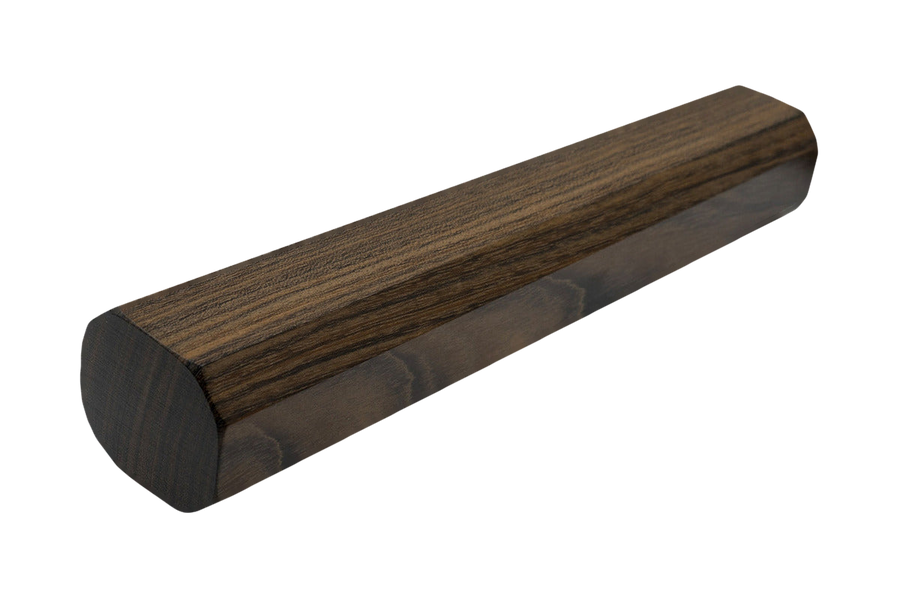
Handle Octagonal Black Chacate
Region Aomori
Best for
  • Pro chefs
  • Enthusiasts
  • Free shipping for knives over AU$200 Australia wide.
  • World-wide shipping via DHL Express, 3 to 5 days.


Nigara’s Aogami Super Tsuchime line of kitchen knives is the perfect blend of traditional craftsmanship and high-performance materials. Made with premium Aogami Super carbon steel, these knives offer unparalleled sharpness and edge retention, making them ideal for precision cutting tasks. The core of Aogami Super steel is wrapped in a protective stainless steel cladding, which not only enhances durability but also makes maintenance easier, reducing the need for constant care typically required by high-carbon knives.

The knives also feature a stunning tsuchime (hammered) pattern, which adds an artisanal aesthetic while improving food release during slicing. This combination of beauty and function ensures a smooth, effortless cutting experience, whether you’re handling delicate vegetables or tougher cuts of meat. Designed for both professional chefs and home cooks, Nigara’s Aogami Super Tsuchime knives are a testament to Japanese knife-making excellence, offering superior performance and easy maintenance in one elegant package.

Pros Cons
  • Budget friendly
  • Excellent performance
  • Great artistic
  • Relatively hard to sharpen
  • Need extra care
Care Instruction
  1. Don't cut hard things! Japanese knives are brittle so bone hacking is a NO NO!
  2. Wash with neutral detergent after use, and wipe dry;
  3. Please don't wash knife with dishwasher, it will damage the wood handle;
  4. Be careful not to leave the knife close to a heat source for a long time;
  5. It is a lot more dangerous to cut with a blunt knife than a sharp knife!
  6. It is best to sharpen a Japanese knife regularly on a waterstone.
  7. Oil the (carbon) knife if storing for an extended period of time to prevent rust.

Nigara

Hirosaki sword and knife artisan

Based in the small yet beautiful city of Hirosaki in the northern prefecture of  Aomori, Nigara hamono has been making samurai swords for 350 yearas, with master Kunitoshi  (國俊) being one of the most famous sword smith in his generation. Now headed by the 8th generation mastersmith Go Yoshizawa (吉澤 剛) supported by his father Toshiju Yoshizawa (吉澤 俊寿), Nigara is becoming very popular thanks of its exquisite forging skills and second to none quality control. 

“Katana making family in Aomori carrying their linage with creativity and innovation, known for the striking "Anmon" design and striking high-end, hand forged damascus items”

Est. 1949 | 昭和24年
Known for Glamorous and innovative knife design, inherited forging skills.
Website nigaraknives.com Read more about Nigara

Nigara · Aomori

Knife details

Frequently asked questions

Is a K-tip Gyuto the same as a traditional Kiritsuke?

Not quite - and it is the single most common point of confusion when people shop for a kiritsuke. The two knives share the same striking angled, reverse-tanto tip, but underneath that tip they are very different tools.

A K-tip gyuto is a double-bevel knife: it is ground on both sides like any Western-style chef's knife, so it is ambidextrous, forgiving to use, and sharpened exactly the way you would sharpen a normal gyuto. You get the dramatic kiritsuke look with the everyday usability of an all-purpose chef's knife.

A traditional kiritsuke - including the kiritsuke-yanagiba (slicer) and kiritsuke-gyuto shapes - is a single-bevel knife, ground on one side only. It is historically a master chef's knife: it takes real practice to use well, is set up for right-handed users by default, and needs single-bevel sharpening technique to maintain.

So if you want the kiritsuke silhouette with no learning curve, choose a K-tip gyuto. If you specifically want the traditional single-bevel discipline - and the precision it allows on fish and vegetables - choose a true kiritsuke. At Knives and Stones we stock both, and each product page tells you which construction you are looking at.

Will a carbon steel knife rust, and how do I look after it?

Yes - carbon steels such as Aogami (Blue) and Shirogami (White) react with food, moisture, and acids. Left wet they can spot or rust, and with normal use they develop a grey-blue patina. That patina is expected and is part of owning a carbon-steel knife; it is not damage.

Care is simple once it becomes habit: hand-wash in warm water, never leave the knife soaking or sitting in a wet sink, and dry it thoroughly the moment you finish. Avoid the dishwasher entirely, and wipe the blade between tasks when you are cutting acidic foods like citrus, tomato, or onion.

If the knife will sit unused for a while, wipe a very thin film of food-safe camellia oil (or a neutral mineral oil) onto the blade before storing it. A light surface rust spot lifts easily with a rust eraser or a little Bar Keepers Friend; sustained neglect is the only thing to really avoid.

Carbon steel rewards this small amount of attention with a keener edge and easier sharpening than most stainless. If you would rather not think about maintenance at all, ask us about stainless or stainless-clad options instead.

What is Aogami Blue steel and why do chefs like it?

Aogami Blue steel, specifically Aogami Super (Blue Super), is a high-carbon Japanese knife steel made by Hitachi that chefs value for its ability to take an extremely sharp edge and hold it longer than most other carbon steels, thanks to a composition with 1.45% carbon, 2.25% tungsten, and added vanadium.

The "Blue" in Aogami refers to the color of the paper the steel is wrapped in at the mill, not the steel itself. Aogami Super is an upgraded version of Blue Steel No. 1, with higher carbon and tungsten content plus vanadium, which refines the grain structure. This lets the steel be hardened to HRC 62–65 without becoming overly brittle, giving you a blade that can be ground very thin for aggressive cutting performance while still resisting chipping in normal use. The trade-off is that, like all high-carbon steels, it is not stainless—it will rust if left wet or acidic, so you need to wipe it down and keep it dry.

How do I keep aogami carbon steel from rusting?

Dry it as soon as you finish, keep it somewhere dry, and let a patina build. Do that and aogami (Blue) steel will hardly ever rust.

Aogami #1, #2 and Super all have less than half a percent of chromium, nowhere near what a stainless steel needs, so water left sitting on the blade will spot it.

The routine:

  • Wipe the blade as you go, especially after onion, citrus or tomato.
  • When you finish, wash it in warm water with a little soap and dry it straight away with a towel. Don't let it air dry or leave it in the sink or the dish rack, and never put it in the dishwasher.
  • Store it dry: on a magnetic strip, in a saya or in a block in a dry spot. A damp drawer is the worst place for it.
  • If it's going to sit unused for a while, wipe on a thin film of camellia or mineral oil.
  • Let a patina form. The grey, blue and brown colours you get from cutting meat and vegetables are a stable oxide layer, and it slows rust down. Orange or red specks are rust.

If you do find rust, lift light orange spots with a rust eraser and a little water, then dry and oil the blade. We stock the CKK and Naniwa rust erasers. Rust on the edge itself comes off the next time you sharpen. Deep pitting is a job for us, so bring the knife in.

On a stainless-clad knife only the thin line of aogami along the edge can rust; the cladding stays clean. A carbon-clad or honyaki blade can rust over its whole face and needs the same care all over.

You May Also Like