PRAHRAN STORE NOW OPEN · THU–MON · 10AM–6PM

Hatsukokoro  |  SKU: HATS_VG5WA_SA180-BC

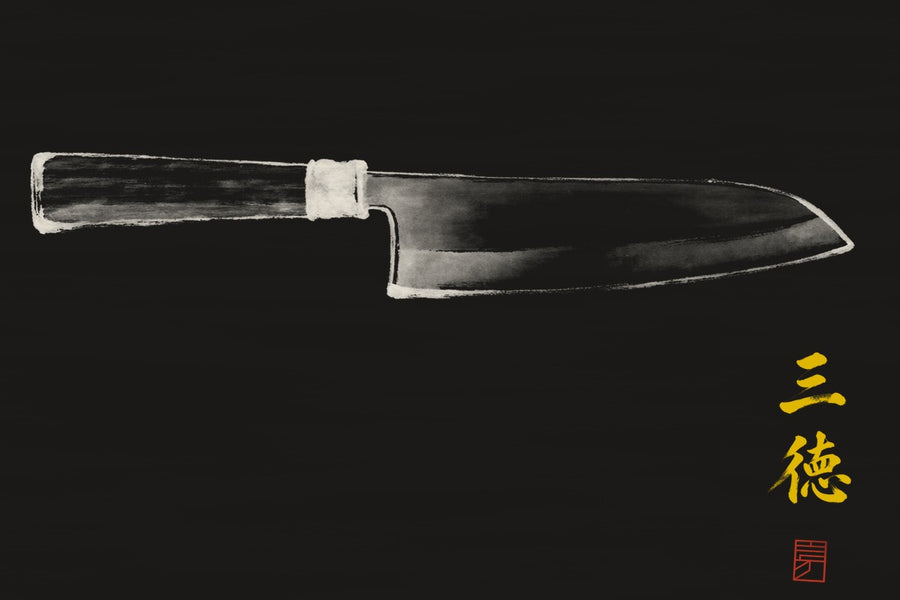
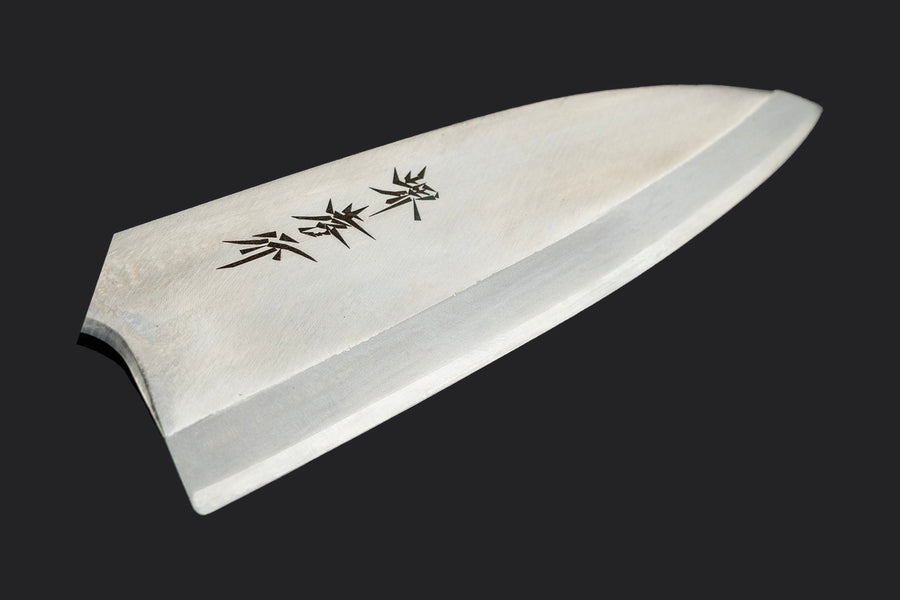
Hatsukokoro VG5 Hayabusa Santoku 180mm Black Chacate

Regular price $189.95

Sold out right now

Leave your email and we’ll send one message the moment it’s back in stock.

One email, no marketing. Privacy policy.

Availability

  • St Peters, NSW —
    2 Bishop St, Unit 2, St Peters NSW 2044
  • Crows Nest, NSW —
    107 West St, Shop 1, Crows Nest NSW 2065
    Pickup only
  • Prahran, VIC —
    180 Commercial Road, Shop 1, Prahran VIC 3181
    Pickup only
Detailed Specifications
Line Hatsukokoro Hayabusa VG-5
Profile Santoku / Santoku
Bevel Type Double Bevel
Weight 140 g | 4.9 oz
Edge Length 183 mm | 7 13/64″
Heel Height 47 mm | 1 27/32″
Width @ Heel 2.2 mm | 3/32″
Width @ Mid 2.0 mm | 5/64″
Width @ 1cm from Tip 0.9 mm | 1/32″
Steel VG5 | Stainless
Blade Construction Sanmai - Stainless Clad
Hardness (HRC) 58 - 59
Surface Finish Migaki
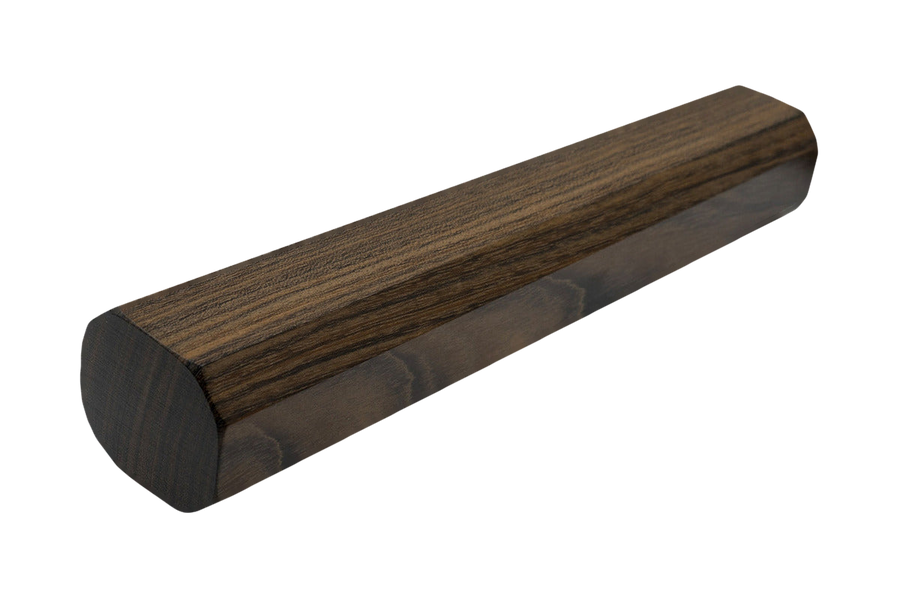
Handle Octagonal Black Chacate
Region Hyogo
Best for
  • First-timers
  • Students
  • Free shipping for knives over AU$200 Australia wide.
  • World-wide shipping via DHL Express, 3 to 5 days.


The Hatsukokoro Hayabusa(隼, peregrine falcon) VG-5 is a great starting point for anyone who want get into the wonderful world of Japanese kitchen knives, with a very affordable price, it will offer decent steel, very thin grind and ease of maintenance, which will allow you to experience the sharpness that Japanese knives have to offer without the need to worry about taking care of the blade all the time.

The Vg-5 by Takefu Steel is a more entry level stainless steel under the "V GOLD" line like the famous VG-10, compare to its big brother, VG-5 has less carbon and other alloy content, with reduce the edge retention a bit but the similar amount of chromium content will ensure same level of rust resistance. In exchange to this performance difference, the price of VG-5 knives will also be lower accordingly, so you can get them at a more affordable price point.

Like any other Hayabusa line, this line receives a very thin grind, which put it into the laser category, this will lead to less resistance when cutting into food which allows you to better experience that sharpness that defines Japanese knives. The finish at the details are also good, although the spine and choil are not rounded extensively, they don seems to dig into my hands and create hot spots.

In conclusion, this Hayabusa line offered by Hatsukokoro is very good for those who are picking their first ever Japanese kitchen knife. If you prefer a western handle, there is also a line of same knives fitted with a western handle.

Pros Cons
  • Budget friendly
  • Ideal for the household
  • Easy to look after
  • Non-premium steel
Care Instruction
  1. Don't cut hard things! Japanese knives are brittle so bone hacking is a NO NO!
  2. Wash with neutral detergent after use, and wipe dry;
  3. Please don't wash knife with dishwasher, it will damage the wood handle;
  4. Be careful not to leave the knife close to a heat source for a long time;
  5. It is a lot more dangerous to cut with a blunt knife than a sharp knife!
  6. It is best to sharpen a Japanese knife regularly on a waterstone.

Hatsukokoro

Rising star of the industry

Hatsukokoro as a brand works extensively with the Japanese kitchen knife industry. Through collaboration with makers and manufacturers across the Japan, they’ve designed and created a huge collection of different knives, covering every possible price range while having a great value in many of their product lines. Their capabilities to incorporate resources have built a strong relation with knife makers, and more and more are happy to send their knives down to Amagasaki and have them delivered across the world.

“The rapidly expanding new brand in the industry based in Amagasaki, offering great varieties by working close with different makers across entire Japan to the entire globe while innovating in product design and metal fabrication.”

Est. 2019 | 令和元年
Known for Wide product availability, good performance at a competitive price.
Website handk.co Instagram @handk_official Read more about Hatsukokoro

Hatsukokoro · Hyogo

Knife details

Frequently asked questions

Gyuto or santoku - which should I choose?

Both are all-purpose Japanese knives, and for most home cooks either will handle the bulk of daily prep. The choice comes down to length, blade shape, and how you like to cut.

A gyuto is the Japanese chef's knife - typically 210 to 240mm with a gently curved edge that lets you rock and slide through cuts as well as chop. The extra length and pointed tip give you reach and versatility, from proteins to large produce.

A santoku is shorter, usually 165 to 180mm, with a flatter profile and a rounded sheep's-foot tip. It rewards a straight up-and-down push cut, feels nimble in smaller hands or tight kitchens, and is the classic Japanese household knife.

Rule of thumb: choose a gyuto if you want one do-everything knife with more reach, or a santoku if you prefer a compact, easy-to-control blade. Plenty of our customers end up owning both.

You May Also Like