PRAHRAN STORE NOW OPEN · THU–MON · 10AM–6PM

Masamoto Sohonten  |  SKU: MASA_HA0427

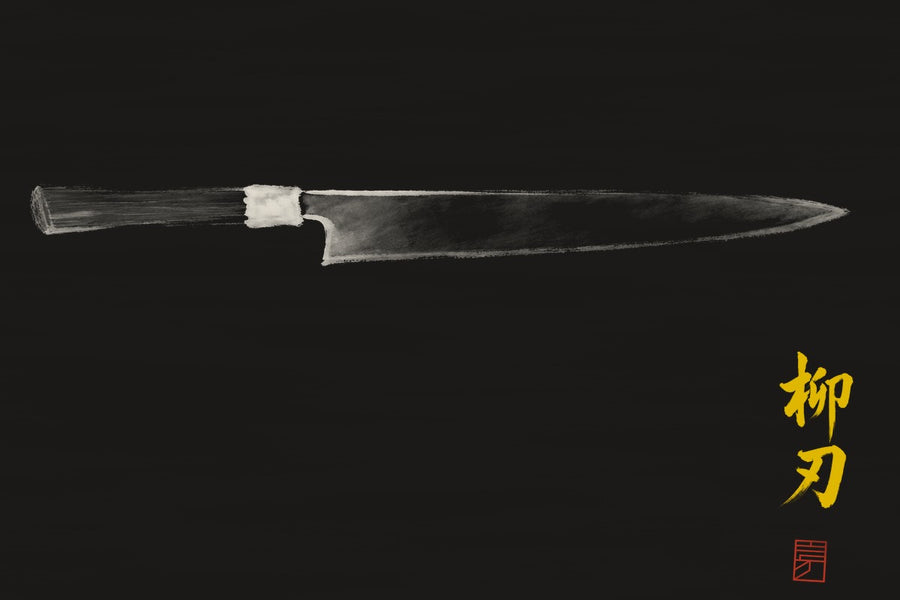
Masamoto Sohonten Aoko Honyaki (HA, Blue 2) Yanagiba 270 mm with Saya HA0427

Regular price $2,599.00

IMPORTANT: Carbon steel knives can rust or patina quickly if not cared for properly. They require regular cleaning, drying, and oiling. If you are unfamiliar with carbon steel maintenance, we recommend choosing a stainless steel option instead.

Sold out right now

Leave your email and we’ll send one message the moment it’s back in stock.

One email, no marketing. Privacy policy.

Availability

  • St Peters, NSW —
    2 Bishop St, Unit 2, St Peters NSW 2044
  • Crows Nest, NSW —
    107 West St, Shop 1, Crows Nest NSW 2065
    Pickup only
  • Prahran, VIC —
    180 Commercial Road, Shop 1, Prahran VIC 3181
    Pickup only
Detailed Specifications
Line Masamoto HA
Profile Yanagiba / Sashimi knife
Steel Blue 2 / Aogami #2 | Carbon
Blade Construction Honyaki
Hardness (HRC) 61 - 63
Surface Finish Mirror Polish
Handle
Region Tokyo
Best for
  • Pro chefs
  • Collectors
  • Free shipping for knives over AU$200 Australia wide.
  • World-wide shipping via DHL Express, 3 to 5 days.


The HA is Masamoto's honyaki (本焼) in Gyokou blue steel (玉青鋼, Aoko Blue 2), the same one-piece, unclad format as the HS but in the steel that takes the harder edge, and Masamoto's own specification for the line is mirror-finished (鏡面仕上). The line is the yanagiba, 270 mm with saya, on a wa ho wood handle with buffalo horn ferrule, hardened to 63-64 HRC.

A mirror polish is the most demanding finish to live with: it shows every scratch and water spot and wants a wipe and a dry after each use, well beyond what a kasumi blade asks. This is top-of-the-catalogue territory, for the professional sashimi cook or a collector who will actually use it. It is also offered with Masamoto's ebony fittings: an octagonal ebony handle with double silver spacers and a matching ebony saya.

Pros Cons
  • Excellent performance
  • Great for professionals
  • Highly collectable
  • Great artistic
  • High budget
  • Mirror polish can be hard to maintain
Care Instruction
  1. Don't cut hard things! Japanese knives are brittle so bone hacking is a NO NO!
  2. Wash with neutral detergent after use, and wipe dry;
  3. Please don't wash knife with dishwasher, it will damage the wood handle;
  4. Be careful not to leave the knife close to a heat source for a long time;
  5. It is a lot more dangerous to cut with a blunt knife than a sharp knife!
  6. It is best to sharpen a Japanese knife regularly on a waterstone.
  7. Oil the (carbon) knife if storing for an extended period of time to prevent rust.

Masamoto Sohonten

The Crowned King of Kanto Region

Masamoto Sohonten, the undisputed king of Japanese kitchen knives, has arrived at Knives and Stones. Started by Minosuke Matsuzawa in 1866, succeed by Kichizo Hirano in 1891 and registered its trademark in 1903, Masamoto Sohonten is now under the management of the 6th generation Masamoto: Masahiro Hirano. With more than 150 years of history, Masamoto Sohonten is recognised by almost every Japanese chef as the best kitchen knife brand in Japan, and it is often considered as the go-to tool for professionals.

“The hallmark of professionalism in single bevel knives, excellent in quality and consistency and once the dominating knife brand in the entire Kanto region.”

Est. 1866 | 慶応2年
Known for Excellently built traditional single bevel knives and KS series Gyuto
Website masamoto-sohonten.co.jp Read more about Masamoto Sohonten
Masamoto Sohonten — Tokyo

Knife details

Frequently asked questions

What is a yanagiba knife used for in sushi preparation?

A yanagiba is a single-bevel knife designed specifically for slicing sashimi and raw fish into flawless, clean cuts without crushing the delicate flesh.

This tool is defined by its long, slender profile and single-bevel geometry, which allows for the precision required in sushi preparation. K&S offers yanagiba in steels such as White #2, Blue #2, and Inox. For a practical starting point, the Hatsukokoro x Myojin Shirasagi White 2 Left Handed Yanagiba 210mm is available at a mid-range price, offering a standard entry size. Professionals or those seeking larger blades can look at the Nigara Anmon Blue 2 'Nejiri' Twist Bar Damascus Yanagiba 270mm at the premium end, which provides the length needed for larger fish fillets.

Will a carbon steel knife rust, and how do I look after it?

Yes - carbon steels such as Aogami (Blue) and Shirogami (White) react with food, moisture, and acids. Left wet they can spot or rust, and with normal use they develop a grey-blue patina. That patina is expected and is part of owning a carbon-steel knife; it is not damage.

Care is simple once it becomes habit: hand-wash in warm water, never leave the knife soaking or sitting in a wet sink, and dry it thoroughly the moment you finish. Avoid the dishwasher entirely, and wipe the blade between tasks when you are cutting acidic foods like citrus, tomato, or onion.

If the knife will sit unused for a while, wipe a very thin film of food-safe camellia oil (or a neutral mineral oil) onto the blade before storing it. A light surface rust spot lifts easily with a rust eraser or a little Bar Keepers Friend; sustained neglect is the only thing to really avoid.

Carbon steel rewards this small amount of attention with a keener edge and easier sharpening than most stainless. If you would rather not think about maintenance at all, ask us about stainless or stainless-clad options instead.

Blue 2 vs White 2 steel for Japanese kitchen knives

Blue 2 (Aogami #2) and White 2 (Shirogami #2) are both Hitachi high-carbon steels, but Blue 2 adds chromium and tungsten to White 2’s base, giving it noticeably better edge retention while keeping similar sharpness. The trade-off is that Blue 2 is slightly more abrasion-resistant during sharpening, so it takes a little more time to refine an edge, whereas White 2 is easier to sharpen and can take a finer, more aggressive edge but dulls faster in use.

You May Also Like