PRAHRAN STORE NOW OPEN · THU–MON · 10AM–6PM

Teruyasu Fujiwara  |  SKU: FJWR-DENKA-SU240

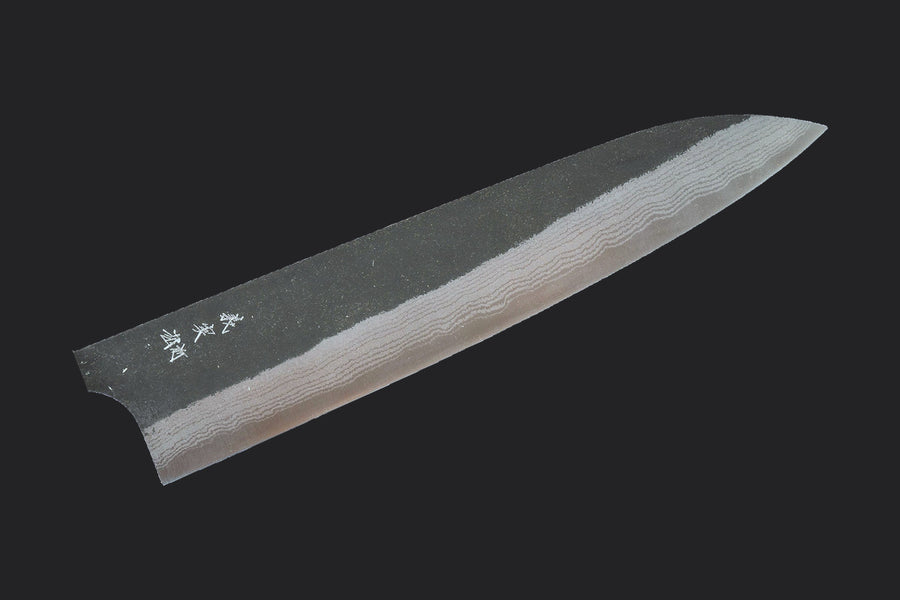
Teruyasu Fujiwara Denka Sujihiki 240mm Aogami Super Kurouchi

Regular price $1,199.95

IMPORTANT: Carbon steel knives can rust or patina quickly if not cared for properly. They require regular cleaning, drying, and oiling. If you are unfamiliar with carbon steel maintenance, we recommend choosing a stainless steel option instead.

Sold out right now

Leave your email and we’ll send one message the moment it’s back in stock.

One email, no marketing. Privacy policy.

Availability

  • St Peters, NSW —
    2 Bishop St, Unit 2, St Peters NSW 2044
  • Crows Nest, NSW —
    107 West St, Shop 1, Crows Nest NSW 2065
    Pickup only
  • Prahran, VIC —
    180 Commercial Road, Shop 1, Prahran VIC 3181
    Pickup only
Detailed Specifications
Line Teruyasu Fujiwara Denka
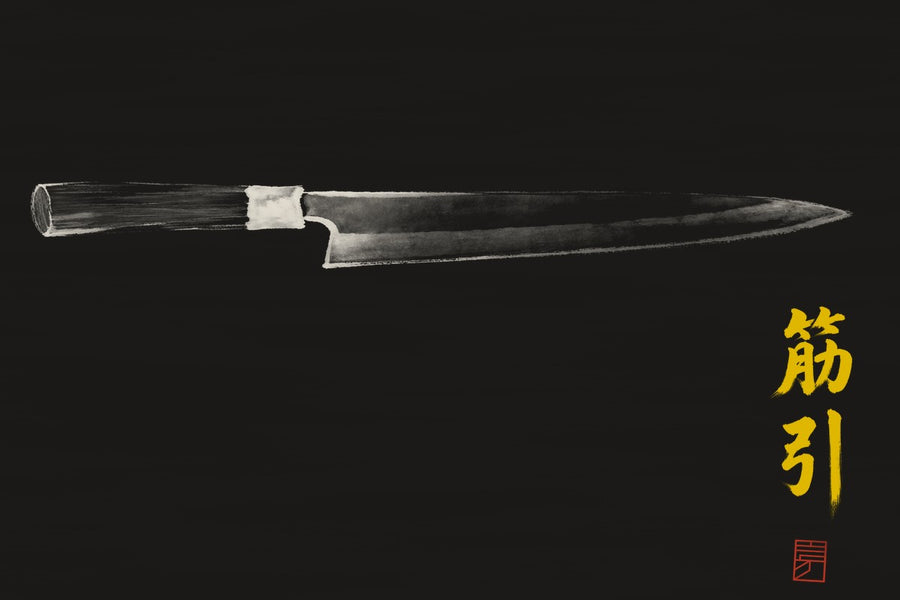
Profile Sujihiki / Slicing knife
Bevel Type Double Bevel
Weight 213 g | 7.5 oz
Edge Length 245 mm | 9 41/64″
Heel Height 41 mm | 1 39/64″
Width @ Heel 3.2 mm | 1/8″
Width @ Mid 2.6 mm | 7/64″
Width @ 1cm from Tip 1.3 mm | 3/64″
Steel Blue Super / Aogami Super | Carbon
Blade Construction Sanmai - Stainless Clad
Hardness (HRC) 62 - 65
Surface Finish Kurouchi
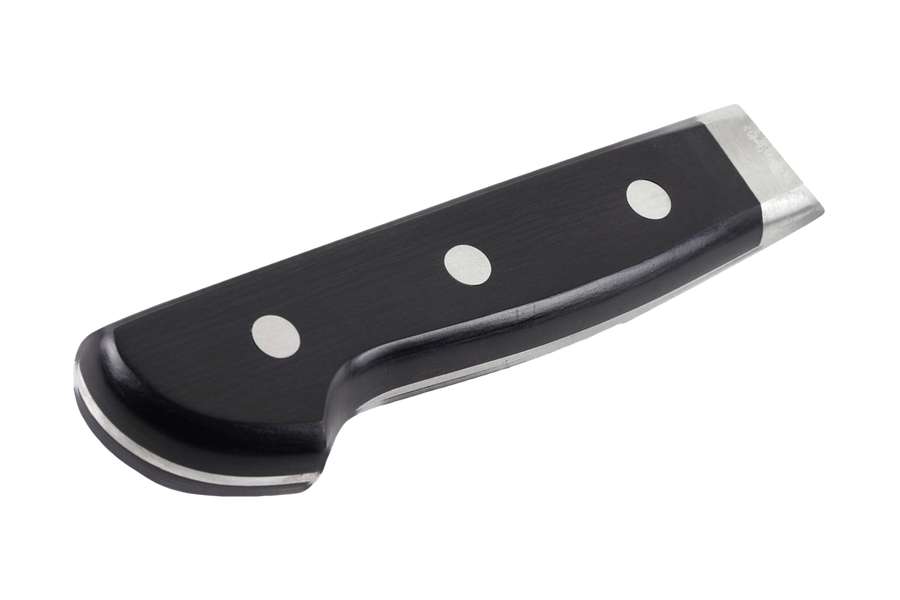
Handle Western Pakka Wood with Bolster
Region Tokyo
Best for
  • Pro chefs
  • Enthusiasts
  • Collectors
  • Free shipping for knives over AU$200 Australia wide.
  • World-wide shipping via DHL Express, 3 to 5 days.


The Teruyasu Fujiwara Denka no Hoto line is widely regarded as the pinnacle of Fujiwara’s craft and one of the most revered series of Japanese kitchen knives. The name Denka no Hoto (伝家の宝刀) literally means “the treasured sword handed down through generations,” a phrase in Japanese that signifies one’s ultimate, most prized creation. Hand-forged in Tokyo by master smith Teruyasu Fujiwara IV, each Denka blade embodies this philosophy, uniting tradition, innovation, and uncompromising performance. At its core is Aogami Super steel, hardened to extreme levels for unmatched sharpness, edge retention, and ease of sharpening. To make the knives more practical, Fujiwara pioneered the use of stainless cladding around the carbon core, reducing rust while preserving the superior edge. Finished with rustic kurouchi or hammered textures, Denka knives carry both wabi-sabi aesthetics and extraordinary cutting power. Treasured by chefs and collectors alike, they represent Fujiwara’s ultimate heirloom-worthy work.

Pros Cons
  • Excellent performance
  • Workhorse grind
  • Exceptional profile
  • Relatively hard to sharpen
  • High budget
  • Prone to rust
Care Instruction
  1. Don't cut hard things! Japanese knives are brittle so bone hacking is a NO NO!
  2. Wash with neutral detergent after use, and wipe dry;
  3. Please don't wash knife with dishwasher, it will damage the wood handle;
  4. Be careful not to leave the knife close to a heat source for a long time;
  5. It is a lot more dangerous to cut with a blunt knife than a sharp knife!
  6. It is best to sharpen a Japanese knife regularly on a waterstone.
  7. Oil the (carbon) knife if storing for an extended period of time to prevent rust.

Teruyasu Fujiwara

Teruyasu Fujiwara — Swordsmith Turned Kitchen Knife Master

Teruyasu Fujiwara is a Japanese cutlery brand rooted in a swordsmithing lineage dating back to the 1870s. Today’s master, Teruyasu Fujiwara IV, continues the family craft in Tokyo, applying traditional katana forging methods—such as san-mai (three-layer lamination) and meticulous heat treatment—to create exceptional kitchen knives. Fujiwara is widely recognized as a pioneer of stainless-clad carbon-steel blades, an innovation that blends the razor-sharp edge retention of carbon steel with the ease of stainless maintenance. His knives, including the renowned Maboroshi and Denka lines, often feature high-carbon steels like Shirogami #1 and Aogami Super, clad in stainless or finished with rustic tsuchime or nashiji textures. The result is a blade that combines sharpness, durability, and character, cherished by chefs and collectors worldwide. Teruyasu Fujiwara’s work embodies both functional artistry and heritage craftsmanship, making his knives some of the most celebrated in Japanese cutlery.

Read more

Founded in the late 19th century, the Fujiwara family began as swordsmiths before transitioning into cutlery after the decline of traditional sword demand. Today, Teruyasu Fujiwara IV carries this legacy from his workshop in Tokyo, forging knives that merge centuries-old craftsmanship with modern innovation. Each blade is hand-forged using techniques derived from katana making, including san-mai lamination and carefully controlled heat treatment, ensuring remarkable sharpness and strength.

Fujiwara’s most significant contribution to modern cutlery is the introduction of stainless-clad carbon-steel blades. This breakthrough combines the unmatched edge performance of high-carbon steels with the practicality of stainless steel cladding, offering reduced maintenance without sacrificing cutting ability. He works primarily with Shirogami #1 and Aogami Super, steels known for their hardness, edge retention, and fine sharpening qualities. Many blades feature distinctive finishes such as hammered tsuchime or textured nashiji, emphasizing both utility and wabi-sabi aesthetics.

Signature lines like the Maboroshi and Denka exemplify his craftsmanship, offering gyuto, santoku, petty, sujihiki, and nakiri styles in both Japanese and Western handle configurations. These knives are celebrated for their extraordinary sharpness, long-lasting edges, and the sense of individuality that comes from hand-forged production.

Among chefs and enthusiasts, Fujiwara knives hold a near-legendary reputation. Their balance of performance and artistry, along with the heritage of a multi-generation smithing family, makes them highly sought-after around the world. Subtle imperfections—considered part of the handmade character—add to their authenticity rather than detract from it.

With their unique blend of tradition, innovation, and personality, Teruyasu Fujiwara knives are often considered heirloom pieces, capable of serving chefs for a lifetime and being passed down through generations. They stand as enduring symbols of Japanese blacksmithing excellence and culinary culture.

“Tokyo swordsmith lineage — 150 years of Edo blade craft, now forging kitchen knives by hand.”

Est. 1870 | 明治3年
Known for Hand-forged carbon steel knives using Edo-era swordsmithing techniques
Website teruyasu.net Read more about Teruyasu Fujiwara

Teruyasu Fujiwara · Tokyo

Knife details

Frequently asked questions

Will a carbon steel knife rust, and how do I look after it?

Yes - carbon steels such as Aogami (Blue) and Shirogami (White) react with food, moisture, and acids. Left wet they can spot or rust, and with normal use they develop a grey-blue patina. That patina is expected and is part of owning a carbon-steel knife; it is not damage.

Care is simple once it becomes habit: hand-wash in warm water, never leave the knife soaking or sitting in a wet sink, and dry it thoroughly the moment you finish. Avoid the dishwasher entirely, and wipe the blade between tasks when you are cutting acidic foods like citrus, tomato, or onion.

If the knife will sit unused for a while, wipe a very thin film of food-safe camellia oil (or a neutral mineral oil) onto the blade before storing it. A light surface rust spot lifts easily with a rust eraser or a little Bar Keepers Friend; sustained neglect is the only thing to really avoid.

Carbon steel rewards this small amount of attention with a keener edge and easier sharpening than most stainless. If you would rather not think about maintenance at all, ask us about stainless or stainless-clad options instead.

What is Aogami Blue steel and why do chefs like it?

Aogami Blue steel, specifically Aogami Super (Blue Super), is a high-carbon Japanese knife steel made by Hitachi that chefs value for its ability to take an extremely sharp edge and hold it longer than most other carbon steels, thanks to a composition with 1.45% carbon, 2.25% tungsten, and added vanadium.

The "Blue" in Aogami refers to the color of the paper the steel is wrapped in at the mill, not the steel itself. Aogami Super is an upgraded version of Blue Steel No. 1, with higher carbon and tungsten content plus vanadium, which refines the grain structure. This lets the steel be hardened to HRC 62–65 without becoming overly brittle, giving you a blade that can be ground very thin for aggressive cutting performance while still resisting chipping in normal use. The trade-off is that, like all high-carbon steels, it is not stainless—it will rust if left wet or acidic, so you need to wipe it down and keep it dry.

How do I keep aogami carbon steel from rusting?

Dry it as soon as you finish, keep it somewhere dry, and let a patina build. Do that and aogami (Blue) steel will hardly ever rust.

Aogami #1, #2 and Super all have less than half a percent of chromium, nowhere near what a stainless steel needs, so water left sitting on the blade will spot it.

The routine:

  • Wipe the blade as you go, especially after onion, citrus or tomato.
  • When you finish, wash it in warm water with a little soap and dry it straight away with a towel. Don't let it air dry or leave it in the sink or the dish rack, and never put it in the dishwasher.
  • Store it dry: on a magnetic strip, in a saya or in a block in a dry spot. A damp drawer is the worst place for it.
  • If it's going to sit unused for a while, wipe on a thin film of camellia or mineral oil.
  • Let a patina form. The grey, blue and brown colours you get from cutting meat and vegetables are a stable oxide layer, and it slows rust down. Orange or red specks are rust.

If you do find rust, lift light orange spots with a rust eraser and a little water, then dry and oil the blade. We stock the CKK and Naniwa rust erasers. Rust on the edge itself comes off the next time you sharpen. Deep pitting is a job for us, so bring the knife in.

On a stainless-clad knife only the thin line of aogami along the edge can rust; the cladding stays clean. A carbon-clad or honyaki blade can rust over its whole face and needs the same care all over.

You May Also Like