PRAHRAN STORE NOW OPEN · THU–MON · 10AM–6PM

Tsunehisa  |  SKU: TNHS-SKD-ST170-KOY

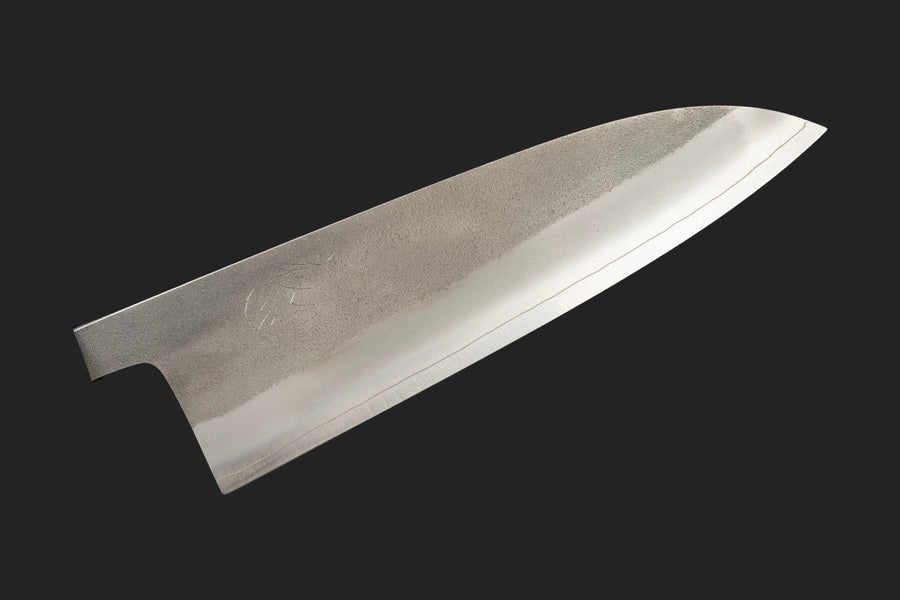
Tsunehisa SLD Washiji Santoku 170mm Burnt Kashi

Regular price $189.95

Sold out right now

Leave your email and we’ll send one message the moment it’s back in stock.

One email, no marketing. Privacy policy.

Availability

  • St Peters, NSW —
    2 Bishop St, Unit 2, St Peters NSW 2044
  • Crows Nest, NSW —
    107 West St, Shop 1, Crows Nest NSW 2065
    Pickup only
  • Prahran, VIC —
    180 Commercial Road, Shop 1, Prahran VIC 3181
    Pickup only
Detailed Specifications
Line Tsunehisa SLD Washiji
Profile Santoku / Santoku
Bevel Type Double Bevel
Weight 132 g | 4.7 oz
Edge Length 169 mm | 6 21/32″
Heel Height 46 mm | 1 13/16″
Width @ Heel 2.0 mm | 5/64″
Width @ Mid 1.8 mm | 5/64″
Width @ 1cm from Tip 0.9 mm | 1/32″
Steel SLD | Semi-stainless
Blade Construction Sanmai - Stainless Clad
Hardness (HRC) 62 - 64
Surface Finish Nashiji
Handle Burnt Kashi Octagonal
Region Fukuyama
Best for
  • First-timers
  • Students
  • Free shipping for knives over AU$200 Australia wide.
  • World-wide shipping via DHL Express, 3 to 5 days.


Meet the Tsunehisa Washiji SLD – a line that nails the sweet spot between carbon-steel performance and low-fuss care. At its core is SLD steel (Hitachi’s semi-stainless champion), prized for holding a crazy-sharp edge like carbon steel but with way better rust resistance. It’s tough too, resisting chips during heavy prep.

The star of the show? That striking "Washiji" finish. It’s not just pretty hammered texture – this cladding reduces food sticking while giving every knife rugged, artisan character. Think functional beauty with serious kitchen hustle.

Crafted across Japan’s finest workshops, Tsunehisa delivers this package at a sharp value. You get carbon-like sharpness without the paranoia, eye-catching looks with purpose, and SLD’s balanced toughness – all in one knife. Perfect if you want performance that endures and style that stands out, minus the high-maintenance life. 

Pros Cons
  • Budget friendly
  • Excellent performance
  • Fit and finish can be improved
Care Instruction
  1. Don't cut hard things! Japanese knives are brittle so bone hacking is a NO NO!
  2. Wash with neutral detergent after use, and wipe dry;
  3. Please don't wash knife with dishwasher, it will damage the wood handle;
  4. Be careful not to leave the knife close to a heat source for a long time;
  5. It is a lot more dangerous to cut with a blunt knife than a sharp knife!
  6. It is best to sharpen a Japanese knife regularly on a waterstone.
  7. Semi-stainless steel won't rust easily but may still patina

Tsunehisa

Tsunehisa — Japan's Regions, One Brand

Tsunehisa isn’t tied to one workshop – it draws on knives from all of Japan’s knife regionsall Japan’s great knife regions. Sakai brings its precise grinds, Tosa brings its work on steels like Ginsan, and the distinct traditions of other forging hubs, all united under one brand. By pooling this regional expertise, Tsunehisa offers handmade quality at accessible prices.

Each knife reflects thoughtful design and rigorous quality control by the Ironclad group (led by Shibata Takayuki). You get traditional techniques – hand-forging, perfect heat treats – paired with modern functionality and Japanese steels. Clean aesthetics ensure they look as good as they perform.

Tsunehisa believes a great knife should be a lifelong companion. That’s why they combine serious performance with dedicated after-sales care, including sharpening support. It’s Japanese craftsmanship, distilled for cooks who value both heritage and smart value.

Read more

Forget choosing between Japan's knife-making regions. Tsunehisa brings them all to your kitchen. This innovative brand acts as a curator, sourcing blades from specialist workshops across Sakai, Tosa, and other forging centers – each area contributing its centuries-old expertise. Sakai brings its precision and carbon steel work; Tosa brings its stainless work, including Ginsan (Silver #3); other regions add their own unique forging signatures. This collaborative approach is Tsunehisa’s approach: using region-specialised skills to create knives offering good value without compromising on craftsmanship.

Under the stewardship of Shibata Takayuki's Ironclad group, Tsunehisa maintains a relentless focus on quality and thoughtful design. Experienced staff meticulously inspect every single knife – ensuring consistent geometry, sound heat treatment, and careful fit-and-finish before it ever leaves Japan. The result? Blades that feel substantial yet balanced, with grinds that glide through ingredients and steels that take and hold a sharp edge.

Aesthetics are clean, purposeful, and timeless. You won’t find unnecessary ornamentation, but rather a focus on elegant lines, comfortable wa (Japanese) or yo (Western) handles, and finishes that highlight the materials – the sheen of Ginsan, the rustic look of kurouchi, or the layered appearance of Damascus cladding.

But Tsunehisa’s commitment extends far beyond the sale. They understand a true kitchen companion needs lifelong support. That’s why they emphasize robust after-sales service, offering maintenance guidance and professional sharpening options to keeping your knife performing for decades. It’s this combination – regional sourcing, quality control, accessible pricing, and after-sales support – that makes Tsunehisa a standout choice. It’s not just a knife; it’s your gateway to experiencing the breadth and depth of Japan’s blade-making heritage, designed to become an indispensable, cherished part of your cooking journey.

“Not one workshop – a curated line from Japan's knife regions, finished by Shibata.”

Est. 2015 | 平成27年
Known for Multi-region sourced knives, value-focused, finished by Takayuki Shibata
Read more about Tsunehisa

Tsunehisa · Fukuyama

Knife details

Frequently asked questions

Gyuto or santoku - which should I choose?

Both are all-purpose Japanese knives, and for most home cooks either will handle the bulk of daily prep. The choice comes down to length, blade shape, and how you like to cut.

A gyuto is the Japanese chef's knife - typically 210 to 240mm with a gently curved edge that lets you rock and slide through cuts as well as chop. The extra length and pointed tip give you reach and versatility, from proteins to large produce.

A santoku is shorter, usually 165 to 180mm, with a flatter profile and a rounded sheep's-foot tip. It rewards a straight up-and-down push cut, feels nimble in smaller hands or tight kitchens, and is the classic Japanese household knife.

Rule of thumb: choose a gyuto if you want one do-everything knife with more reach, or a santoku if you prefer a compact, easy-to-control blade. Plenty of our customers end up owning both.

You May Also Like