PRAHRAN STORE NOW OPEN · THU–MON · 10AM–6PM

Takeshi Saji  |  SKU: TS-SRS13-NA165WAMSP1

Takeshi Saji SRS13 Nakiri 165mm Western Amboyna Handle

Regular price $599.95

Sold out right now

Leave your email and we’ll send one message the moment it’s back in stock.

One email, no marketing. Privacy policy.

Availability

  • St Peters, NSW —
    2 Bishop St, Unit 2, St Peters NSW 2044
  • Crows Nest, NSW —
    107 West St, Shop 1, Crows Nest NSW 2065
    Pickup only
  • Prahran, VIC —
    180 Commercial Road, Shop 1, Prahran VIC 3181
    Pickup only
Detailed Specifications
Line Takeshi Saji SRS-13 Western
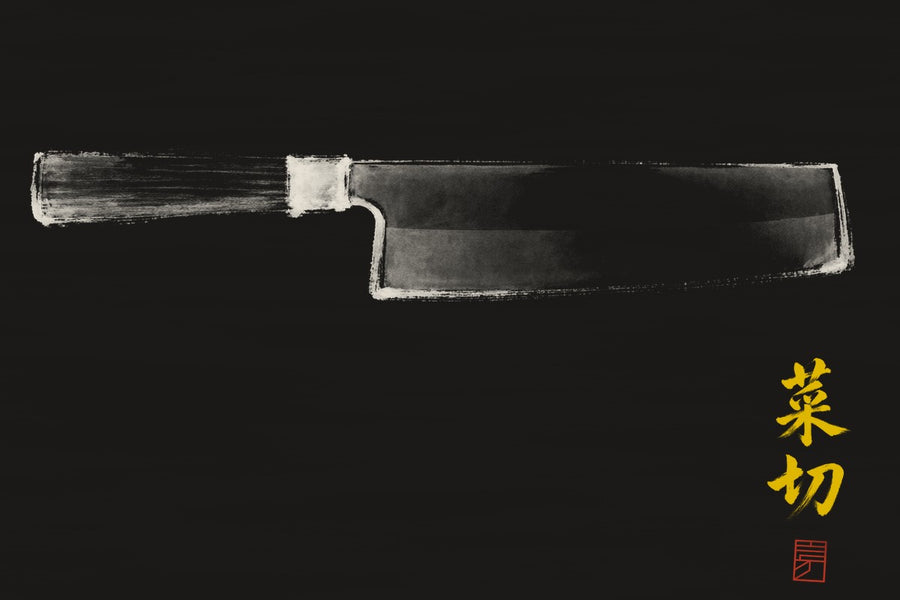
Profile Nakiri / Japanese vegetable knife
Bevel Type Double Bevel
Weight 244 g | 8.6 oz
Edge Length 166 mm | 6 17/32″
Heel Height 55 mm | 2 11/64″
Width @ Heel 2.0 mm | 5/64″
Width @ Mid 2.0 mm | 5/64″
Width @ 1cm from Tip 2.0 mm | 5/64″
Steel SRS-13 | Powdered | Stainless
Blade Construction Sanmai - Stainless Clad
Hardness (HRC) 63 - 64
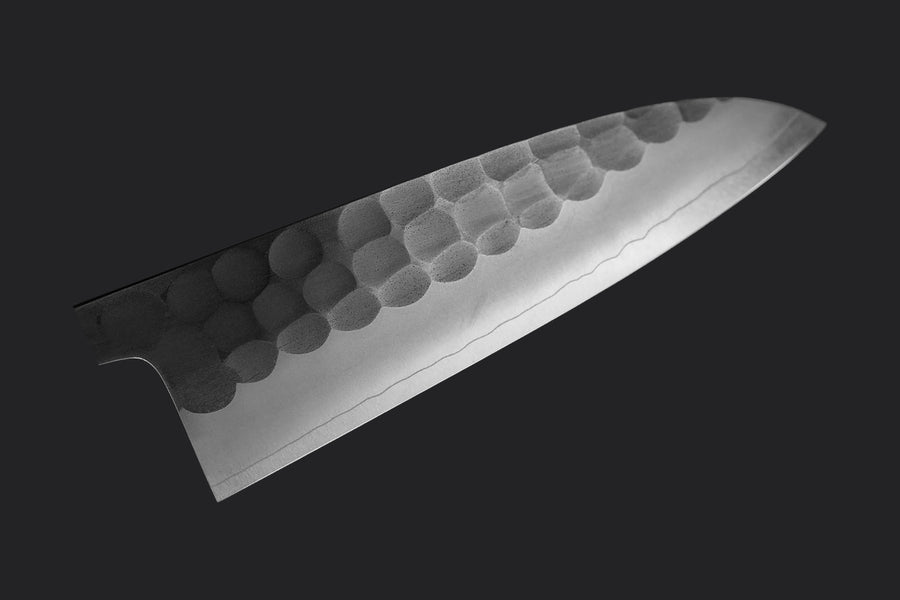
Surface Finish Tsuchime
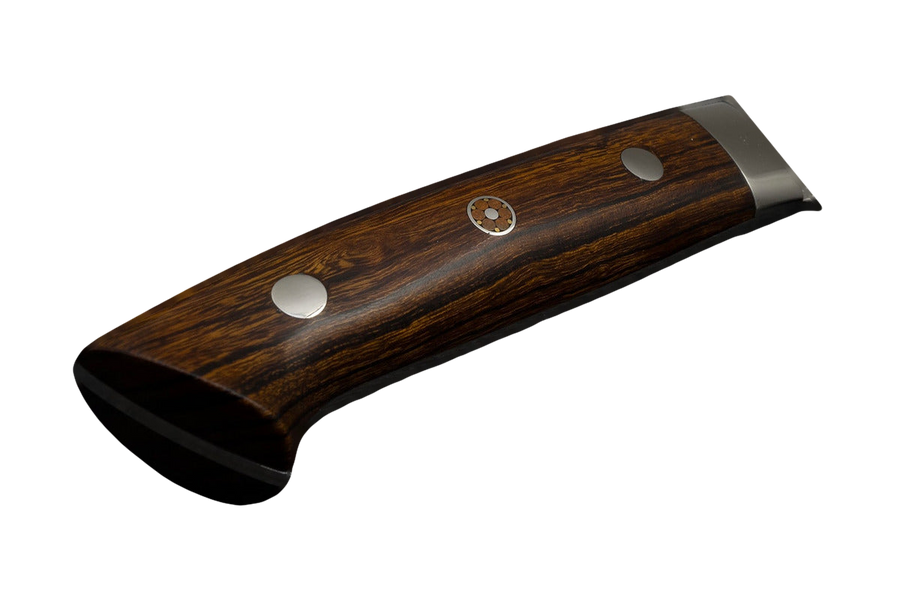
Handle Coke-bottle Shaped Western
Region Takefu
Best for
  • Enthusiasts
  • Collectors
  • Pro chefs
  • Free shipping for knives over AU$200 Australia wide.
  • World-wide shipping via DHL Express, 3 to 5 days.


Takeshi Saji’s SRS-13 steel line of kitchen knives is a blend of cutting-edge performance and rustic craftsmanship. The blades are forged from high-performance SRS-13 powdered steel, known for its remarkable edge retention and toughness. This advanced steel ensures that the knives remain razor-sharp for extended periods, even with heavy use, making them ideal for both professional chefs and dedicated home cooks.

The knives feature a rustic look that highlights Saji-san’s traditional Japanese craftsmanship, giving each piece a distinct character. The signature Western handle, crafted from materials like stag bone or ironwood, offers both durability and comfort, ensuring a secure grip during prolonged use. This combination of superior steel and a natural, ergonomic handle makes Saji’s SRS-13 line a perfect choice for those seeking a knife that performs at the highest level while embodying a timeless, rustic aesthetic.

Pros Cons
  • Great artistic
  • Excellent performance
  • Relatively hard to sharpen
  • High budget
Care Instruction
  1. Don't cut hard things! Japanese knives are brittle so bone hacking is a NO NO!
  2. Wash with neutral detergent after use, and wipe dry;
  3. Please don't wash knife with dishwasher, it will damage the wood handle;
  4. Be careful not to leave the knife close to a heat source for a long time;
  5. It is a lot more dangerous to cut with a blunt knife than a sharp knife!
  6. It is best to sharpen a Japanese knife regularly on a waterstone.

Takeshi Saji

Takeshi Saji (佐治 武士), Saji Uchihamono, Echizen

Takeshi Saji (佐治 武士) is an Echizen smith and the third generation of Saji Uchihamono (佐治打刃物), a company founded in 1916 and a member of Takefu Knife Village. He is a certified traditional craftsman (伝統工芸士), and the Village calls him a pioneer of Japanese-style knives built on traditional techniques.

We stock his SG2 and VG10 damascus knives, his SRS13 knives and his maki-e lacquered VG10W knives, with handles that include ironwood, stag and turquoise.

Read more

According to Takefu Knife Village, Saji still goes to exhibitions and abroad himself, taking in new ideas and making new pieces. The Village lists what the family company makes: Japanese-style knives, custom knives, forged kitchen knives of various kinds, and nata, the Japanese hatchet.

Among the damascus knives we carry from Saji are black and diamond damascus in SG2, and rainbow damascus in VG10.

“Third generation of Saji Uchihamono, an Echizen knife company founded in 1916.”

Est. 1916 | 大正5年
Known for Japanese-style knives and damascus kitchen knives
Instagram @takeshi_saji Read more about Takeshi Saji

Takeshi Saji · Takefu

Knife details

Frequently asked questions

Why won't my knife cut all the way through? The slices stay joined at the bottom.

Part of the edge never reaches the board, so the cut never finishes. At our counter we put it simply: there is not enough flat at the heel. A knife with a long curve is built for rock chopping, not for the Chinese or Eastern up-and-down chop.

A straight edge, like a nakiri's, meets the board along its whole length and finishes the cut. On any knife, a dip worn near the heel or a dull section can cause the same thing.

Nakiri or usuba: what is the difference?

The bevel. A Japanese dictionary describes the nakiri (菜切包丁) as shaped like an usuba but double-bevel and relatively easy to handle; the Sakai cutlery association describes the usuba (薄刃包丁) as an acute, wide knife for vegetables, in a square Kanto type and a kamagata Kansai type.

The names overlap, since another dictionary records the usuba as also called nakiri, so check the bevel rather than the name.

How old is Saji Uchihamono?

Saji Uchihamono was founded in 1916, according to the Takefu Knife Village page for Takeshi Saji.

The same page lists him as the third generation of the company, 佐治打刃物.

You May Also Like