PRAHRAN STORE NOW OPEN · THU–MON · 10AM–6PM

Tojiro  |  SKU: TOJI_SA165_FD567

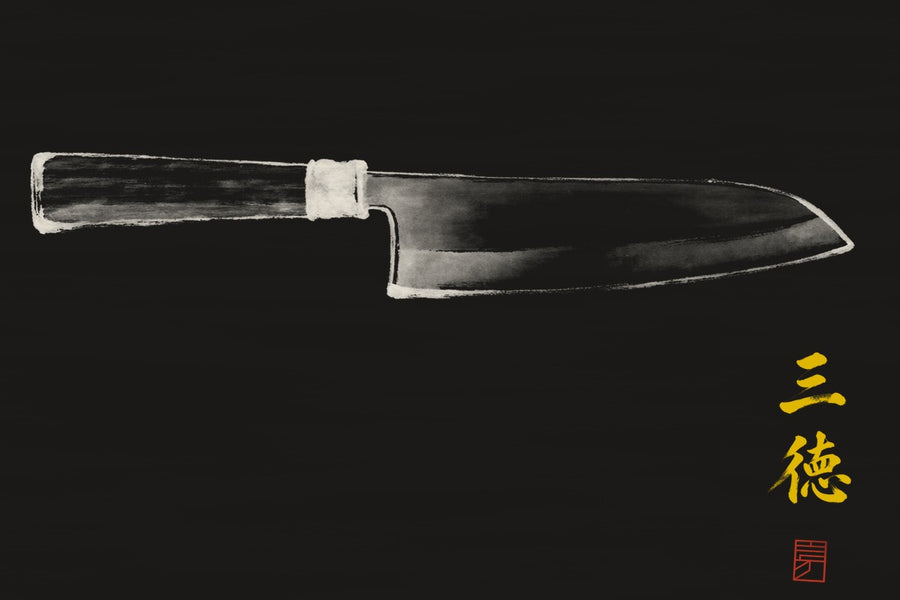
Tojiro VG10 Zen Series Santoku 165mm FD-567

Regular price $159.95

Sold out right now

Leave your email and we’ll send one message the moment it’s back in stock.

One email, no marketing. Privacy policy.

Availability

  • St Peters, NSW —
    2 Bishop St, Unit 2, St Peters NSW 2044
  • Crows Nest, NSW —
    107 West St, Shop 1, Crows Nest NSW 2065
    Pickup only
  • Prahran, VIC —
    180 Commercial Road, Shop 1, Prahran VIC 3181
    Pickup only
Detailed Specifications
Line Tojiro VG10 Zen Series
Profile Santoku / Santoku
Steel VG10 | Stainless
Blade Construction Sanmai - Stainless Clad
Hardness (HRC) 59 - 61
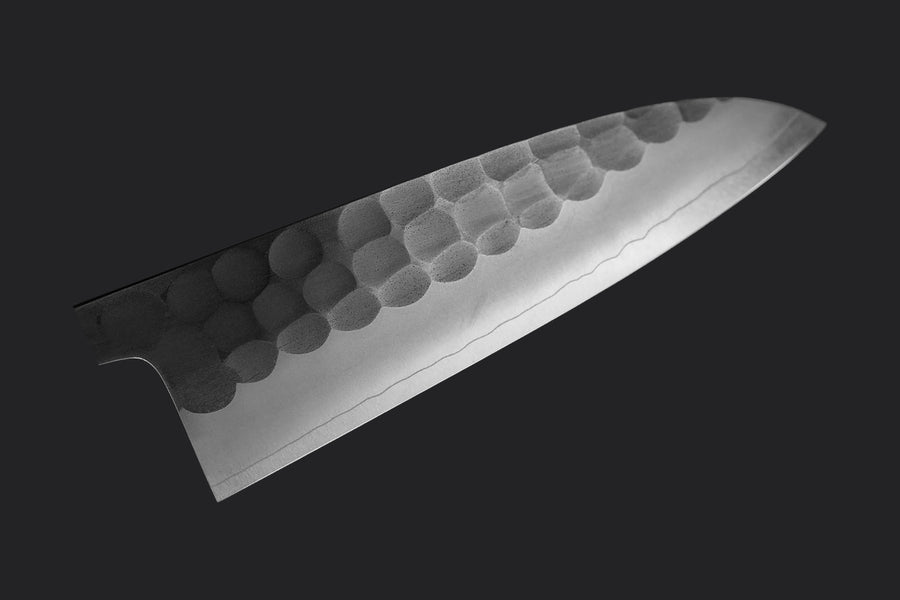
Surface Finish Tsuchime
Handle
Region Tsubame
Best for
  • First-timers
  • Pro chefs
  • Household
  • Free shipping for knives over AU$200 Australia wide.
  • World-wide shipping via DHL Express, 3 to 5 days.


The Zen series is Tojiro's take on the everyday kitchen: a Gyuto, a Santoku and a Nakiri, each precision ground and sharpened to a razor-sharp edge out of the box.

The core is VG10 stainless at HRC 60, clad in stainless in a sanmai build with a Tsuchime finish, and VG10 holds its sharpness for extended periods, which reduces how often you need to reach for the stone. The blade is thin along its length, around 2.2 mm of spine from heel to mid.

The handle is ho wood, also known as magnolia, a traditional Japanese handle material that is lightweight, water-resistant and comfortable through long prep sessions. At 135 to 158 g these knives stay nimble in both professional and home kitchens. Being fully stainless, they are simple company: wash, dry, done.

Pros Cons
  • Excellent performance
  • Ideal for the household
  • Easy to look after
Care Instruction
  1. Don't cut hard things! Japanese knives are brittle so bone hacking is a NO NO!
  2. Wash with neutral detergent after use, and wipe dry;
  3. Please don't wash knife with dishwasher, it will damage the wood handle;
  4. Be careful not to leave the knife close to a heat source for a long time;
  5. It is a lot more dangerous to cut with a blunt knife than a sharp knife!
  6. It is best to sharpen a Japanese knife regularly on a waterstone.

Tojiro

Tojiro (藤次郎), Tsubame, Niigata

Tojiro (藤次郎株式会社) is a knife maker in Tsubame, Niigata, founded on 1 May 1953. Its president's message says that since its founding the company has pursued sharpness, the basic quality of a knife, carrying on traditional techniques while taking on new ones.

Read more

We stock Tojiro's DP3 knives in shapes from a paring knife to a sujihiki, its Zen series, its SG2 powdered steel gyuto and santoku, and its MV stainless deba and yanagiba, along with some of its kitchen tools.

“Tsubame knife maker since 1953.”

Est. 1953 | 昭和28年
Known for The DP, Zen and SG2 knife lines
Website tojiro-japan.com Instagram @tojiro_jp Read more about Tojiro

Tojiro · Tsubame

Knife details

Frequently asked questions

Gyuto or santoku: which should I choose?

Both are all-purpose Japanese knives, and for most home cooks either will handle the bulk of daily prep. The choice comes down to length, blade shape, and how you like to cut.

A gyuto is the Japanese chef's knife, with a gently curved edge that lets you rock and slide through cuts as well as chop. Tojiro's guide to Western knife shapes gives 150 to 210mm as the household size for a gyuto and up to 360mm for professional use. The extra length and pointed tip give you reach and versatility, from proteins to large produce.

Tojiro's guide to Japanese knife shapes gives 165 to 170mm as the household size for a santoku, which has a flatter profile and a rounded sheep's-foot tip. It rewards a straight up-and-down push cut, feels nimble in smaller hands or tight kitchens, and is the classic Japanese household knife.

Rule of thumb: choose a gyuto if you want one do-everything knife with more reach, or a santoku if you prefer a compact, easy-to-control blade. Plenty of our customers end up owning both.

Rock chop or up-and-down chop: which knife shape suits me?

Match the shape to your stroke. Rock chopping keeps the tip on the board and rolls the curved belly through the food, so a gyuto or a Western chef's knife suits it, and Japanese knives rock fine as long as you rock gently.

Up-and-down chopping, the Chinese style, wants a straight run of edge, so a nakiri, usuba, santoku or bunka suits it better; a curved edge chopped straight down easily leaves pieces joined. Neither shape is better; it depends on how you cut.

What does santoku mean?

A Japanese dictionary explains the name of the santoku (三徳包丁) as coming from the three things it handles: meat, fish and vegetables. The same dictionary entry points from the santoku to the bunka (文化包丁), treating the two as one knife.

One Japanese knife maker guide distinguishes the two by the tip. It says that in the Showa era the bunka was made with its tip cut at an angle, and the santoku came after it by rounding that tip.

Does VG10 rust?

Yes, it can, though it rusts less readily. VG10 (V金10号) is a stainless steel, and stainless strictly means a steel that rusts less, not one that never rusts.

Takefu, which makes VG10, lists 15% chromium, above the 10.5% that defines stainless steel, and describes its corrosion resistance as excellent. Dry the knife after washing.

How hard is VG10?

Takefu, the steelmaker behind VG10, gives HRC 60 or more as a standard value. The hardness of a finished knife depends on its maker.

Takefu says the steel's 15% chromium, 1% molybdenum and 1.55% cobalt give it high hardness and a long-lasting edge, and that it is easy to sharpen.

You May Also Like