PRAHRAN STORE NOW OPEN · THU–MON · 10AM–6PM

Sakai Takayuki  |  SKU: SATA_ZADA_SA180

Sakai Takayuki Ginga ZA-18 Damascus Santoku 180mm

Regular price $299.95

Sold out right now

Leave your email and we’ll send one message the moment it’s back in stock.

One email, no marketing. Privacy policy.

Availability

  • St Peters, NSW —
    2 Bishop St, Unit 2, St Peters NSW 2044
  • Crows Nest, NSW —
    107 West St, Shop 1, Crows Nest NSW 2065
    Pickup only
  • Prahran, VIC —
    180 Commercial Road, Shop 1, Prahran VIC 3181
    Pickup only
Detailed Specifications
Line Sakai Takayuki Ginga ZA-18 Damascus
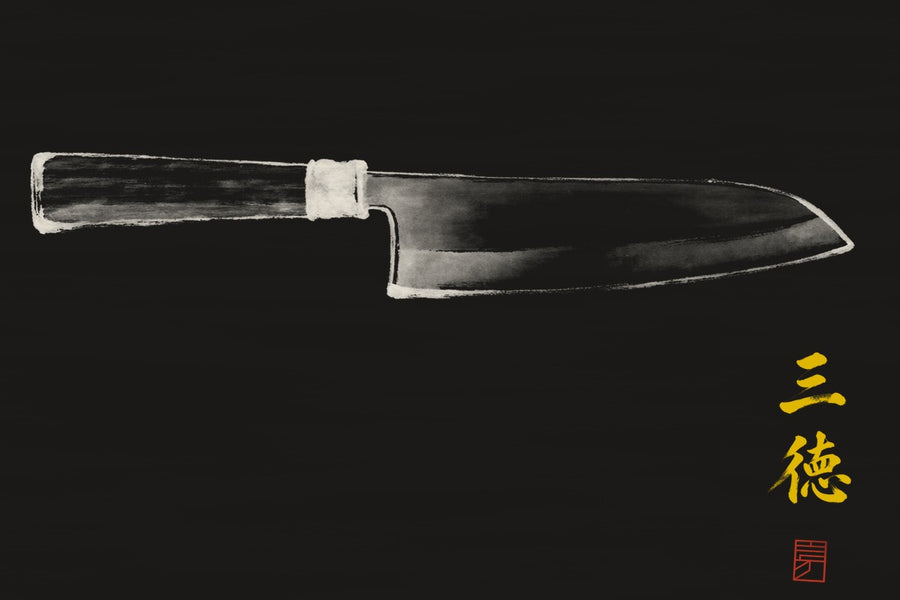
Profile Santoku / Santoku
Steel ZA-18 | Stainless
Blade Construction Sanmai - Stainless Damascus Clad
Hardness (HRC) 60 - 62
Surface Finish Mirror Polish
Handle
Region Sakai
Best for
  • Household
  • Gift buyers
  • Enthusiasts
  • Free shipping for knives over AU$200 Australia wide.
  • World-wide shipping via DHL Express, 3 to 5 days.


Ginga (銀河, Galaxy) is the best looking stainless line from Sakai Takayuki. Each blade is clad in a mirror finished 69 layer damascus pattern over a ZA-18 core, a cobalt enriched stainless alloy developed by Aichi Steel. The layering catches the light across the whole flat, and out of the box the finish is genuinely striking.

ZA-18 is one of the newest stainless alloys, a high alloy stainless, with high carbon and chromium content and cobalt added for strength. Held at HRC 61-63 it reaches high sharpness and excellent edge retention, though like most stainless steels in this hardness band it asks for a bit of patience on the stones.

One honest note: a mirror finish shows water spots and fine scratches, so it takes a little care to keep it looking new. The line covers santoku, gyuto, nakiri, petty and sujihiki, all on an octagonal wenge wa handle with a horn ferrule. A lovely gift knife for someone who wants the damascus look with real performance underneath.

Pros Cons
  • Excellent performance
  • Great artistic
  • Ideal for the household
  • Mirror polish can be hard to maintain
  • Relatively hard to sharpen
Care Instruction
  1. Don't cut hard things! Japanese knives are brittle so bone hacking is a NO NO!
  2. Wash with neutral detergent after use, and wipe dry;
  3. Please don't wash knife with dishwasher, it will damage the wood handle;
  4. Be careful not to leave the knife close to a heat source for a long time;
  5. It is a lot more dangerous to cut with a blunt knife than a sharp knife!
  6. It is best to sharpen a Japanese knife regularly on a waterstone.

Sakai Takayuki

Aoki Hamono, the owner of Takayuki brand, is the largest maker of Sakai.

Sakai is the largest knife making region of professional single bevel knives, with over 600 years of knife making history. Sakai Takayuki stands out as the largest brand in the region. These knives are built for precision slicing and a keen edge, and cater to professional chefs and culinary enthusiasts. At the heart of Sakai Takayuki's operations is the Sanbo Factory, a dedicated hand forge knife plant. Contrary to the notion of it being a place of innovation, the Sanbo Factory is focused on the traditional art of knife-making, where skilled artisans employ time-honored techniques to create knives that are both functional and beautiful.

The brand also collaborates with Sakai craftsmen like Itsuo Doi, who works exclusively for Sakai Takayuki.

“The undisputed leader of Sakai makers. ”

Est. 1947 | 昭和22年
Known for Classic Sakai knives, unique engraving.
Website aoki-hamono.co.jp Instagram @sakaitakayuki_knife_gallery Read more about Sakai Takayuki

Sakai Takayuki · Sakai

Knife details

Frequently asked questions

Gyuto or santoku - which should I choose?

Both are all-purpose Japanese knives, and for most home cooks either will handle the bulk of daily prep. The choice comes down to length, blade shape, and how you like to cut.

A gyuto is the Japanese chef's knife - typically 210 to 240mm with a gently curved edge that lets you rock and slide through cuts as well as chop. The extra length and pointed tip give you reach and versatility, from proteins to large produce.

A santoku is shorter, usually 165 to 180mm, with a flatter profile and a rounded sheep's-foot tip. It rewards a straight up-and-down push cut, feels nimble in smaller hands or tight kitchens, and is the classic Japanese household knife.

Rule of thumb: choose a gyuto if you want one do-everything knife with more reach, or a santoku if you prefer a compact, easy-to-control blade. Plenty of our customers end up owning both.

You May Also Like