Crows Nest store now open from Friday to Tuesday, in store specials!

Takeshi Saji  |  SKU: SJ-DIAMDMSG2-SU270IRW

Takeshi Saji SG2 Diamond Damascus Sujihiki 270mm Ironwood

Regular price $1,099.00

Add a saya or K&S Knife Roll to receive $20 bundle discount!

Saji SG2 Diamond Damascus
Sujihiki / Slicer
Double Bevel
Weight 277 g | 9.8 oz
Edge Length 270 mm | 10 5/8″
Heel Height 45 mm | 1 49/64″
Width @ Heel 2.6 mm | 7/64″
Width @ Mid 2.2 mm | 3/32″
Width @ 1cm from Tip 1.2 mm | 3/64″
Steel SG2 / R2 | Powdered | Stainless
Blade Construction Sanmai - Stainless Clad
Hardness (HRC) 62 - 64
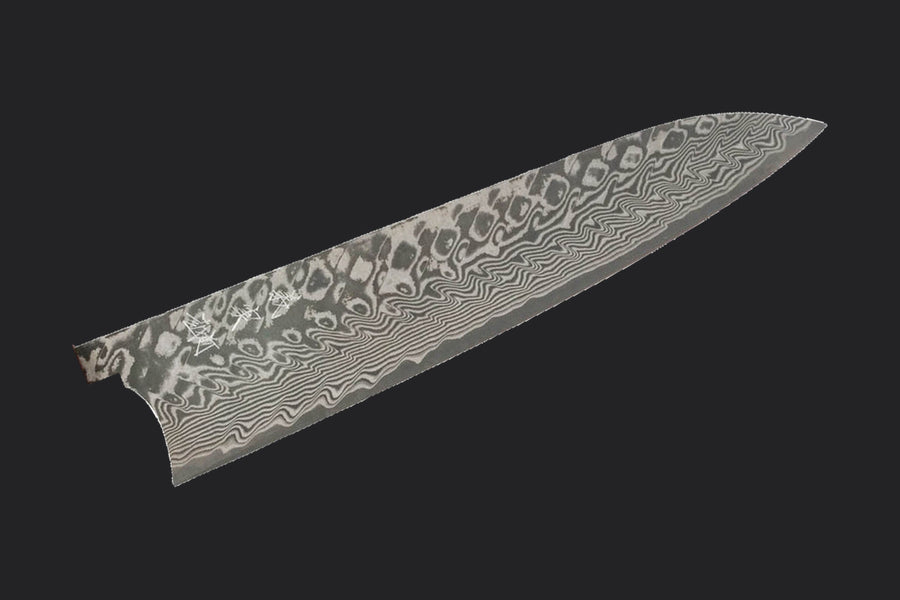
Surface Finish Etched
Handle Saji Western
Region Takefu
Best for
  • Pro chefs
  • Enthusiasts
  • Collectors
  • Free shipping for knives over AU$200 Australia wide.
  • World-wide shipping via DHL Express, 3 to 5 days.


The Takeshi Saji SG2 Diamond Damascus kitchen knife line is a testament to the mastery of renowned Japanese bladesmith Takeshi Saji. Crafted from SG2 powdered steel, these knives are celebrated for their exceptional sharpness and edge retention, making them a favorite among professional chefs and cooking enthusiasts. The SG2 steel ensures that the blade maintains its keen edge through extensive use, offering unparalleled performance in the kitchen.

One of the standout features of this knife line is the deep etched Diamond Damascus pattern. This intricate design not only adds a stunning visual appeal but also provides a unique texture that enhances grip and control. The meticulous craftsmanship involved in creating this pattern highlights Takeshi Saji’s dedication to blending aesthetic beauty with practical functionality.

These knives are highly sought after and can be hard to come by, making them a prized possession for collectors and serious chefs alike. Each knife, from the versatile Gyuto to the specialized Sakimaru Sujihiki, embodies the perfect fusion of traditional Japanese artistry and modern technological advancements. With handles crafted from premium materials like ironwood and wenge, these knives offer a balanced and comfortable feel, ensuring precision and ease in every cut.

Pros Cons
  • Great artistic
  • Easy to look after
  • Highly collectable
  • High budget
  • Relatively hard to sharpen
Care Instruction
  1. Don't cut hard things! Japanese knives are brittle so bone hacking is a NO NO!
  2. Wash with neutral detergent after use, and wipe dry;
  3. Please don't wash knife with dishwasher, it will damage the wood handle;
  4. Be careful not to leave the knife close to a heat source for a long time;
  5. It is a lot more dangerous to cut with a blunt knife than a sharp knife!
  6. It is best to sharpen a Japanese knife regularly on a waterstone.

Takeshi Saji

Takeshi Saji - Echizen's SG2 Diamond Damascus Maker.

Takeshi Saji is a distinguished Japanese blacksmith from Takefu Village in Echizen, an area renowned for its centuries-old knife-making tradition. As a fourth-generation blacksmith, Saji was immersed in the craft from a young age, learning the intricacies of blade making from his family. With over 50 years of experience, he has become a master of his trade.

Saji is celebrated for his ability to blend traditional Japanese techniques with innovative designs, creating knives that are both functional and visually captivating. His knives are known for their distinctive handles made from materials like deer antler, ironwood, and colored pakkawood, paired with beautifully patterned blades, often in the Damascus style.

His work is highly valued by chefs and knife enthusiasts worldwide for its exceptional sharpness, durability, and aesthetic appeal. Each knife is a testament to Saji's meticulous craftsmanship and his commitment to preserving the heritage of Japanese knife-making while pushing its boundaries. His dedication to quality and innovation has earned him a revered place in the blacksmithing community, ensuring that his knives remain prized possessions in kitchens around the world.

Read more

Takeshi Saji, a master blacksmith from Takefu Village in Echizen, Japan, represents the fourth generation of a family deeply rooted in the art of knife making. This region, known for its 700-year-old knife-making tradition, has profoundly influenced Saji's approach to crafting blades. Born into a family of blacksmiths, he began learning the trade at an early age, immersing himself in the rich culture of Echizen’s blade-making heritage.

Over his extensive career spanning more than five decades, Takeshi Saji has distinguished himself by preserving traditional Japanese knife-making techniques while incorporating modern innovations. His work epitomizes a perfect fusion of age-old methods and contemporary design, resulting in knives that are both highly functional and visually stunning.

Saji’s knives are easily identifiable by their unique handles, crafted from an array of materials such as deer antler, ironwood, and colored pakkawood. These materials not only enhance the visual appeal of his knives but also provide a comfortable and secure grip. The blades are often adorned with intricate patterns, particularly the Damascus style, which involves layering different types of steel to create a beautiful and unique finish.

One of the key aspects of Takeshi Saji’s craftsmanship is his meticulous attention to detail and unwavering commitment to quality. Each knife undergoes a rigorous crafting process to ensure exceptional sharpness, durability, and balance. This meticulous approach has garnered him a loyal following among professional chefs, culinary enthusiasts, and collectors worldwide.

Saji’s artistic vision is another defining characteristic of his work. He possesses a keen eye for aesthetics, often incorporating intricate engravings and unique patterns into his blades. This blend of functionality and beauty has elevated his knives from mere culinary tools to coveted works of art.

Beyond his individual creations, Saji is a respected figure in the blacksmithing community. He actively promotes and preserves the traditional crafts of Echizen through workshops, demonstrations, and collaborations. By sharing his knowledge and passion with the next generation of knife makers, he ensures the continuation and evolution of Japanese bladesmithing traditions.

His contributions to the craft have been recognized with numerous awards and accolades, cementing his reputation as one of Japan’s premier knife makers. Despite his acclaim, Takeshi Saji remains deeply committed to his work, constantly striving to innovate and push the boundaries of his craft.

In recent years, Saji has embraced new technologies and materials, experimenting with different types of steel and handle materials to enhance the performance and appeal of his knives. This willingness to evolve while staying true to traditional methods exemplifies his approach to knife making.

Takeshi Saji’s knives are treasured by those who appreciate the artistry and skill involved in their creation. Each piece is a testament to his dedication, craftsmanship, and the enduring legacy of Japanese knife-making. For Saji, every knife is more than just a tool; it is a reflection of his heritage, his passion, and his relentless pursuit of perfection.

His enduring influence on the world of knife making and his commitment to excellence continue to inspire both established and aspiring blacksmiths. Takeshi Saji's legacy is not just in the knives he creates but also in the vibrant community of craftsmen he has nurtured and the rich traditions he has helped preserve for future generations.

4o到目前为止,此对话有帮助吗?

“The exotic diamond damascus and copper damascus pattern. ”

Est. 1948 | 昭和23年
Known for exotic western handle, diamond damascus
Read more about Takeshi Saji
Takeshi Saji — Takefu
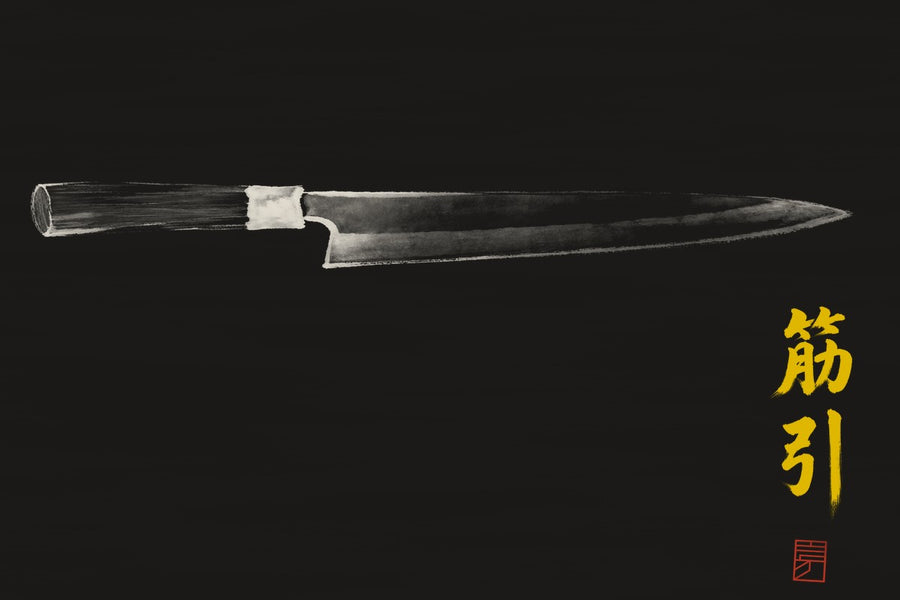
Profile: Sujihiki
Profile

Sujihiki

Slicer

The Sujihiki, also known as Sujibiki, stands out as a Japanese slicing knife, characterized by a thinner and sharper edge than those found in Western kitchens. Its long blade is ideally crafted for the artful, thin carving of cooked meats and for slicing terrines and patés with finesse. Blade lengths span from 210mm to 300mm (8.3 to 12 inches), with 270mm and 300mm being particularly favored for their ability to facilitate smooth and efficient slicing. The meticulous design of the Sujihiki reflects a harmonious blend of traditional Japanese precision and a focused functionality, catering to the needs of culinary professionals and enthusiasts alike.
Composition

SG2 / R2 Element Composition

Compare with
    SG2 / R2
    14.0% 10.5% 7.0% 3.5% 0
    C Carbon 1.25%
    Primary hardening element. Raises hardness and wear resistance — but too much increases brittleness and corrosion susceptibility. As a reference: German 1.4112 (~0.5%) sits at the low end; VG-10 (~1.0%) is a common mid-range; SG2 (1.25–1.45%) and ZDP-189 (~3.0%) represent high and extreme ends respectively.
    C
    1.25%
    Cr Chromium 14.0%
    Raises corrosion resistance; 13%+ qualifies steel as stainless. Also improves hardenability and wear resistance. In kitchen use, higher chromium levels contribute to a slight drag or sticking sensation when cutting — a trade-off for the rust resistance it provides.
    Cr
    14.0%
    V Vanadium 1.8%
    Forms extremely hard carbides for superior edge retention. Also refines grain structure, improving toughness.
    V
    1.8%
    Mo Molybdenum 2.3%
    Improves hardenability and toughness. Boosts corrosion resistance and helps the steel hold hardness under heat.
    Mo
    2.3%
    Mn Manganese 0.4%
    Aids hardenability and strength. Acts as a deoxidiser during smelting. Excess can reduce toughness.
    Mn
    0.4%
    Si Silicon 0.5%
    Strengthens the steel matrix and acts as a deoxidiser. Improves hardness and resistance to oxidation.
    Si
    0.5%
    P Phosphorus 0.03%
    Impurity from the smelting process. Even small amounts cause brittleness — steelmakers keep this as low as possible.
    P
    0.03%
    S Sulfur 0.03%
    Impurity that reduces toughness and promotes brittleness. Intentionally added only in free-machining steels.
    S
    0.03%
    C — Carbon Cr — Chromium V — Vanadium Mo — Molybdenum Mn — Manganese Si — Silicon P — Phosphorus S — Sulfur
    Hardness 62–64 HRC
    555759616365+
    Steel
    SG2 / R2
    Category
    Stainless
    Process
    Powder Metallurgy (PM)
    Manufacturer
    Takefu Special Steel, Japan 🇯🇵
    Hardness
    62–64 HRC
    Steel

    SG2 / R2

    • Manufacturer
      • Takefu Special Steel, Japan
    • Nature Stainless
    • Hardness62–64 HRC
    SG2, also known as Super Gold 2 or R2 steel, is a high-end powdered tool steel by Takefu Special Steel, known for its excellent edge retention, wear resistance, and ability to achieve a hardness of up to 64 HRC. Identical to Kobelco Steel's R2, it's prized in premium knife making for its fine edge sharpness and durability. The powdered nature ensures uniform carbide distribution, enhancing toughness and reducing chipping risks. SG2/R2 is ideal for those seeking top performance and longevity in their cutting tools.
    Construction: Sanmai - Stainless Clad
    Construction

    Sanmai - Stainless Clad

    Sanmai(Three-Piece) is a common construction for double bevel knives where two pieces of softer cladding steel are forgewelded to each side of a harder core steel. The harder but more brittle core steel will form the hard cutting edge after heat treating, and the softer cladding will support the core to increase the overall strength of the blade.

    The soft cladding enables the thinning process to be a lot easier than a honyaki or monosteel construction. And in the case where the cladding steel are stainless in nature, it can offer protection for the carbon or semi-stainless cores against rusting and discoluoring.

    Finish: Etched
    Finish

    Etched

    The etching process starts with the knife being thoroughly cleaned to remove any oils or residues. A protective mask may be applied to the areas not intended to be etched. The blade is then submerged in an acidic solution, such as ferric chloride, which reacts with the different layers of steel at varying rates. This creates a layer of dark oxide on the surface of the blade where the thickness of the oxide varies according to the reactiveness of the steel. After etching, the knife is neutralized in a baking soda solution, rinsed, and dried. The final step involves polishing the blade to highlight the etched design, enhancing both the knife's beauty and showcasing the craftsmanship of its maker.

    Handle
    Handle

    Handle Specs

    • Profile Western with bolster
    • Material
      • Stag / Bone
      • Turquoise
      • Desert Ironwood

    Takeshi Saji's western handle is a standout feature that combines both rustic charm and practical design. Made from exotic materials such as stag bone, Arizona desert ironwood or synthetic tirqipose, each handle is unique, showcasing the natural textures and variations that give it a distinct, earthy appeal. The rugged, natural look of the materials complements the blade’s craftsmanship, offering a timeless and rustic aesthetic that sets it apart from modern synthetic handles.

    Not only is the handle visually striking, but it also provides a comfortable grip, making it easy to control during extended use. This handle design is one of Saji-san’s signatures, blending tradition with functionality, and is a true testament to his craftsmanship and attention to detail.

    1 / 5

    You May Also Like