Masakage 是由柴田崇行(Takayuki Shibata)所構想的第一個原創品牌,目標是打造真正的廚刀——高效率、完美工藝與完成度、視覺美感,以及源自大師級刀匠技藝的真實質感。品牌名稱「Masakage」取自日本戰國時代著名的武將山形正景(Masakage Yamagata)。柴田選擇這個名字,正是希望他的刀能如同山形正景一般,在戰鬥、策略、外交、治理與日常生活等各領域皆展現卓越表現。
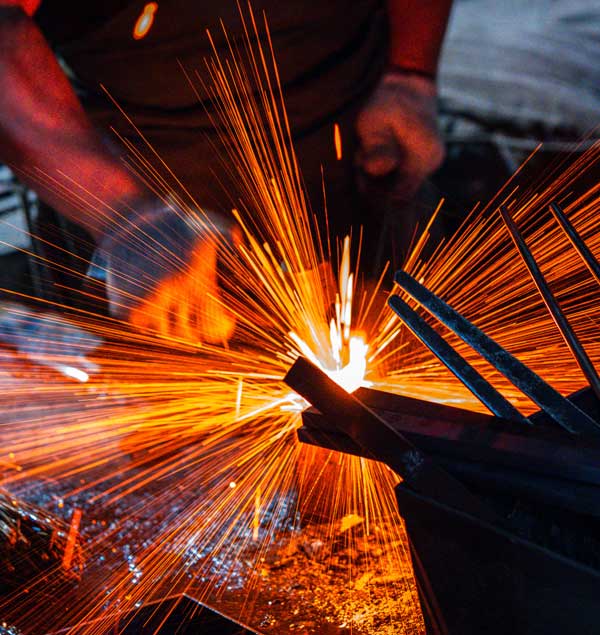
從實務層面來說,每一把 Masakage 刀都是柴田崇行與「竹富刃物村」(TAKEFU Knife Village)及越前地區知名鍛造工坊的緊密合作成果。鍛造與熱處理由當地著名刀匠負責,如黑崎裕、加茂詞朗、加藤義實或佐治武士等常見於此系列中。完成鍛造後,柴田的工作坊接手進行最終的手工研磨,將刀刃打磨至極致銳利且精緻邊緣。結果是每一把刀在使用時都彷彿生命力,同時又擁有高級訂製品才有的精準與細膩完成度。
Masakage 刀特別顯著的特徵之一就是「鍛造收窄背脊」(forge-tapered spine)。與均勻厚度不同,刀背在鍛造過程中逐漸變薄,有效減少切削阻力並提升平衡感。此外,表面處理常帶有優、略自然質感的特徵——紋理細膩、層次豐富,展現手工製品的美感而非機械般無瑕的冷硬外觀。刃部幾何設計複雜且經過精心優化:刀刃形狀能順暢滑過食材,最小化阻力並維持切削控制力。這些設計創造出許多形容為「流暢、精準且幾乎毫不費力」的切割體驗。
在系列命名方面,Masakage 帶有詩意美學。每一款系列皆以自然的日語詞彙命名——「Kiri」(霧)、「Yuki」(雪)、「Shimo」(霜)、「Mizu」(水)、「Kumo」(雲)——喚起對季節、天氣與自然現象的想像。每一系列的外觀也常經過細緻調整以呼應名稱:表面紋理、圖案設計或刀身輪廓可能皆反映主題(例如「Kiri」系列呈現霧氣般柔和質感,而「Shimo」則展現冷俐落的視覺風格)。這種命名哲學強化了這些刀是,更是自然、與詩意身份的象徵。
Masakage 特別吸引人的地方在於它成功平衡了訂製工藝與可負擔性。雖然製作方式幾乎達到小批量手工生產的極致,但價格仍比然訂製刀更親民。由於每把刀皆為大師級鍛造師與柴田研磨技術的合作成果,因此承載許多訂製刀的特徵——獨特形狀、精緻平衡感、細膩幾何設計——同時也適合嚴謹的家庭或專業廚師使用。
除了性能之外,Masakage 也非常重視美學和人體工學。手柄選擇皆考量與刀身的平衡,常見傳統日式(wa handle)或混合型設計。刀身與手柄的視覺整合亦經過細心規劃,使整把刀感覺如一體成型。刃口保持性、研磨容易度、抗蝕性(依鋼材而定)以及保養需求皆納設計考量。在用戶評論與刀討論區中,Masakage 刀常被讚賞為日常實用性與手工藝特質的完美結合:它們比工業化廚刀更富生命力,卻又不像訂製作品般價格嚇人。
總結而言,Masakage 完美實現了柴田的初衷:打造在銳利度、平衡感、完成度、美感與品牌識別各方面皆卓越的刀,同時保留對真正日本金工傳統及手工刀藝的連結。它們透過命名與表面處理喚起自然意象;在廚房中優地發揮性能;並成為訂製藝術與精緻生產之間的橋樑。Masakage—is drawn from the historic figure Masakage Yamagata, a distinguished samurai general of Japan’s Warring States era. In choosing that name, Shibata-san expresses his aspiration that his knives may echo the virtues of Yamagata: excellence not just in combat, but also in strategy, diplomacy, governance, and daily life.
From a practical standpoint, every Masakage knife is the result of a close collaboration between Shibata and the artisans of TAKEFU Knife Village and Echizen’s famed forging houses. The forging and heat treatment are carried out by prominent bladesmiths of the region—names such as Yu Kurosaki, Shiro Kamo, Yoshimi Kato, or Takeshi Saji often being involved. After the forging passes, Shibata’s own workshop takes over the final sharpening, honing the blades by hand to achieve exceptional sharpness and a refined edge. The result is a blade that feels incredibly alive in use, yet is polished and finished with the precision one would expect from a high-end custom piece.
One of the particularly distinctive features of Masakage knives is their forge-tapered spine. Rather than a uniform thickness, the blade spine tapers through the forging process, reducing drag and enhancing balance. Additionally, the surface finishes often carry an elegant, somewhat organic character—textured, subtly nuanced, and resonant with a handcrafted aesthetic rather than a sterile, machine-perfect look. The bevel geometry is complex and carefully optimized: edges are shaped to glide smoothly through food, minimize resistance, and maintain cutting control. These design choices together contribute to a cutting experience that many users describe as fluid, precise, and almost effortless.
In terms of lineup naming, Masakage brings a poetic sensibility. Each series carries a nature-inspired Japanese word—Kiri (fog), Yuki (snow), Shimo (frost), Mizu (water), Kumo (cloud)—that awakens imagery of seasons, weather, and elemental phenomena. The visual appearance of each series is often subtly tuned to reflect its name: surface textures, patterning, and blade silhouette may all echo the motif (e.g. a misty, soft look for Kiri, or a crisp, cold aesthetic for Shimo). This naming philosophy reinforces that the knives are not just tools, but evocations of nature, feeling, and poetic identity.
What makes Masakage particularly compelling is that it treads the line between bespoke and attainable. The knives are as handcrafted as one would reasonably hope in small-scale production, yet their pricing remains more accessible than wholly custom blades. Because each knife is effectively a collaboration between master forgers and Shibata’s finishing, they carry many of the hallmarks of custom knives—distinctive forms, refined balance, delicate geometry—while still being viable for serious home or professional users.
Beyond pure performance, Masakage also pays close attention to aesthetic harmony and ergonomics. Handles are chosen to balance the blade, often in traditional Japanese styles (wa handles) or hybrid forms. The visual integration of blade and handle is carefully considered so that the knife feels like a seamless whole. Edge retention, sharpening ease, corrosion resistance (depending on the steel model), and maintenance are all factored into design decisions. In user reviews and knife forums, Masakage knives are praised for their balance of daily usability and artisanal character: they feel more alive than industrial kitchen knives, yet without the intimidating price tag of full bespoke works.
In sum, Masakage is very much fulfilling what Shibata-san set out to do: craft knives that excel in all dimensions—sharpness, balance, finish, beauty, and identity—while preserving a connection to true Japanese metalworking traditions and the artistry of handmade blades. They evoke nature through their names and finishes; they perform in the kitchen with grace; and they stand as a bridge between custom artistry and well-executed production.